How We Water Chickens:
Simple Watering Systems That Work
Learn how a simple farm bucket, clean water, and a little daily attention have helped us care for chickens through every season.
Author: Advice From The Barn | RCR Organic Feed Store
How We Water Chickens
If you spend enough time raising chickens, you'll discover there are dozens of watering systems available.
- Nipple systems.
- Cup systems.
- Automatic systems.
- Hanging waterers.
- Heated waterers.
You'll find no shortage of opinions online about which system is best. Many of those systems work well, and if you've found one that works for your flock, that's great. But the longer we've raised chickens, the simpler our watering systems have become.
Most people are surprised when they visit our farm because they don't see expensive watering equipment. What they see are feed pans, buckets, water founts, and other containers that are easy to clean, easy to refill, and easy for birds to access.
The goal has never been fancy. The goal has always been making sure the birds have plenty of clean water available whenever they need it. Over the years, we've learned that chickens don't care how much you spent on a watering system.
They care whether water is available.
That's really the foundation of how we manage water on our farm.
Starting Chicks
When chicks first arrive, we keep things pretty traditional. We use a commercial one-gallon chick water fount. It's easy for chicks to find, easy for them to drink from, and works well during those first few weeks when they're learning where everything is located. At this stage, simple and reliable is exactly what we're looking for.
The chicks don't need the latest watering system. They need clean water and easy access to it.Like a lot of things in animal care, we've learned that the basics matter most. If chicks can easily find water and it's kept clean, you're already doing one of the most important jobs well.
As Birds Grow
As birds get larger, we start moving away from traditional poultry waterers. Many people continue using commercial water founts throughout the life of the flock. We've gradually gone in a different direction. Over the years, we found ourselves simplifying.
Feed pans and open containers are easy to clean, easy to refill, and easy to monitor. We can quickly look across the flock and know whether water is available and whether consumption looks normal. The older we get, the more we appreciate systems that simply work. We've found that chicken care becomes easier when we stop trying to make everything complicated. The birds don't care if the water comes from an expensive watering system or a feed pan.
They care that it's clean and available.
Large Flocks and Pasture-Raised Birds
As flock size increases, water availability becomes even more important. For larger groups of birds, we use buckets and, in some situations, even children's wading pools. That usually surprises people. The first time someone sees a wading pool full of water in a chicken pasture, they often have questions. We understand why. It doesn't look like something you'd find in a poultry catalog. But we've learned that birds don't care what the water container looks like. They care that clean water is available where they're spending their time.
When raising free-ranging Cornish Cross or Freedom Rangers, we'd much rather have several simple watering locations than one complicated system. Water should never be difficult for a bird to find.
it should never be difficult for us to refill. And it should never be difficult to clean.
One lesson we've learned over the years is that one is never enough.
- Buckets freeze.
- Containers crack.
- Birds tip things over.
Having more than one water source isn't extra work. It's simply being prepared.
Why We Don't Use Nipple Systems
This is probably where our approach differs from what many people see online. We don't use nipple watering systems. We don't use cups. And beyond the chick stage, we don't use many traditional hanging waterers. That doesn't mean those systems don't work. Many people use them successfully. We've simply found that open containers work better for the way we manage our birds. When we walk through the flock, we can immediately see water levels. We can quickly dump, clean, and refill containers. And the birds always have easy access to fresh water. Over the years, we've learned that chickens don't care how modern a watering system is. They care whether water is available when they need it.
For us, simple has consistently worked better than complicated.
Winter Water on Our Farm
If you've ever raised chickens through a Minnesota winter, you already know that water can become the biggest daily challenge on the farm.
- Buckets freeze.
- Waterers freeze.
- Hoses freeze.
Usually at the worst possible time. We've learned that winter doesn't care about your schedule. If something is going to freeze, it'll probably happen when you're already running late.
Years ago, we got tired of fighting with watering systems that worked well until winter arrived. After plenty of trial and error, we settled on a simple approach that works for us.
- A two-gallon farm bucket.
- A single 100-watt incandescent light bulb. (Outdoor preferred)
- And safe placement.
The bulb is suspended safely above the bucket where it provides enough heat to keep water available during extremely cold weather.
We've relied on this approach through temperatures approaching -30°F. It isn't complicated. It isn't expensive. And most importantly, it works. The key is paying attention every day and making safety your first priority whenever electricity and livestock are involved.
One lesson Minnesota winters have taught us is this:
When winter arrives, water moves to the top of the daily checklist.
What chickens can't do is break through ice to get a drink. That's a lesson most livestock owners only need to learn once.
What We've Learned
The longer we raise animals, the more we appreciate simple systems.
- Simple systems are easier to clean.
- Simple systems are easier to maintain.
- Simple systems are easier to troubleshoot.
Most importantly, simple systems are more likely to be used consistently. That's what matters. Healthy birds don't come from complicated solutions. More often, they come from paying attention to the basics.
- Fresh water
- Good feed
- Clean living conditions
- A watchful eye
- Consistent care
We've shared this watering approach with many customers over the years. Some are skeptical at first. Most are surprised by how simple it is. And once they try it, very few go back to more complicated methods.
Chickens don't read product catalogs.
They don't care what's popular online. They simply need fresh, clean water. The longer we've raised animals, the more we've learned that success usually comes from doing simple things well, day after day.
Pay attention to your birds.
- Watch their habits.
- Notice what changes.
- Notice what stays the same.
They'll often tell you what they need long before a problem becomes serious.
That's worked for us for years, and it's still how we care for our flock today.
About Advice From The Barn
Advice From The Barn shares practical knowledge, feeding experience, and lessons learned from more than 25 years of raising animals, helping customers, and continuing to learn.
← Return to Advice From The Barn
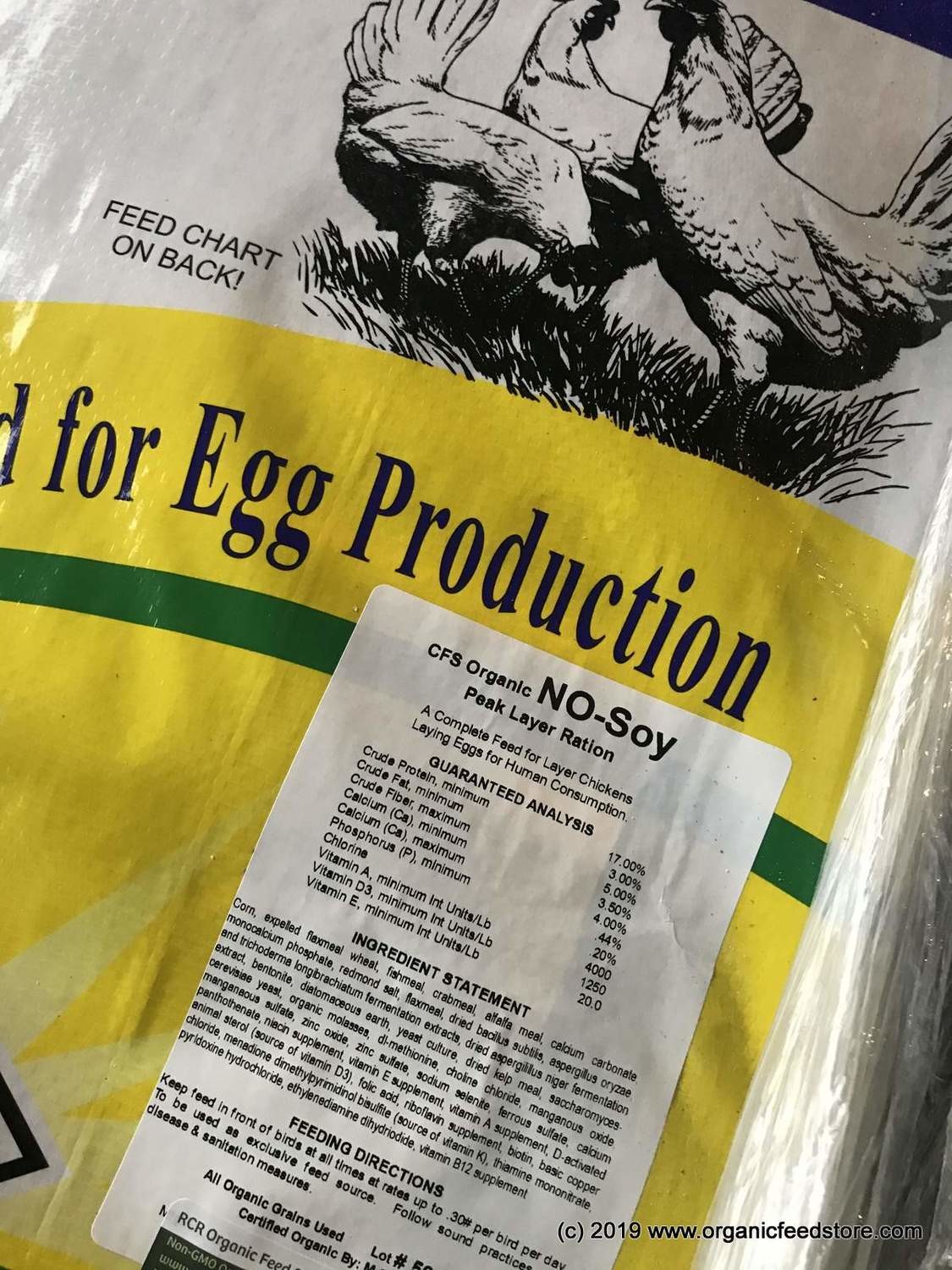
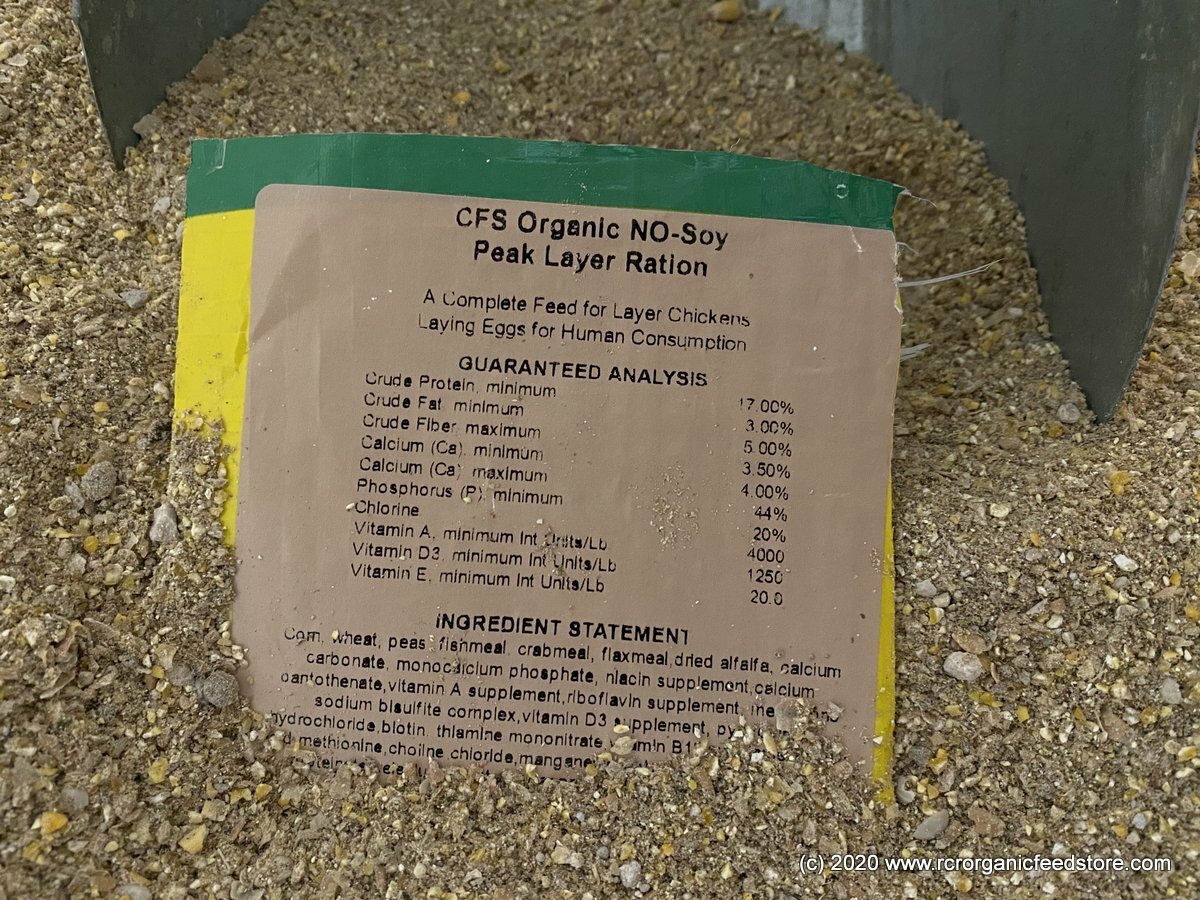
Soy Free Organic Layer Feed
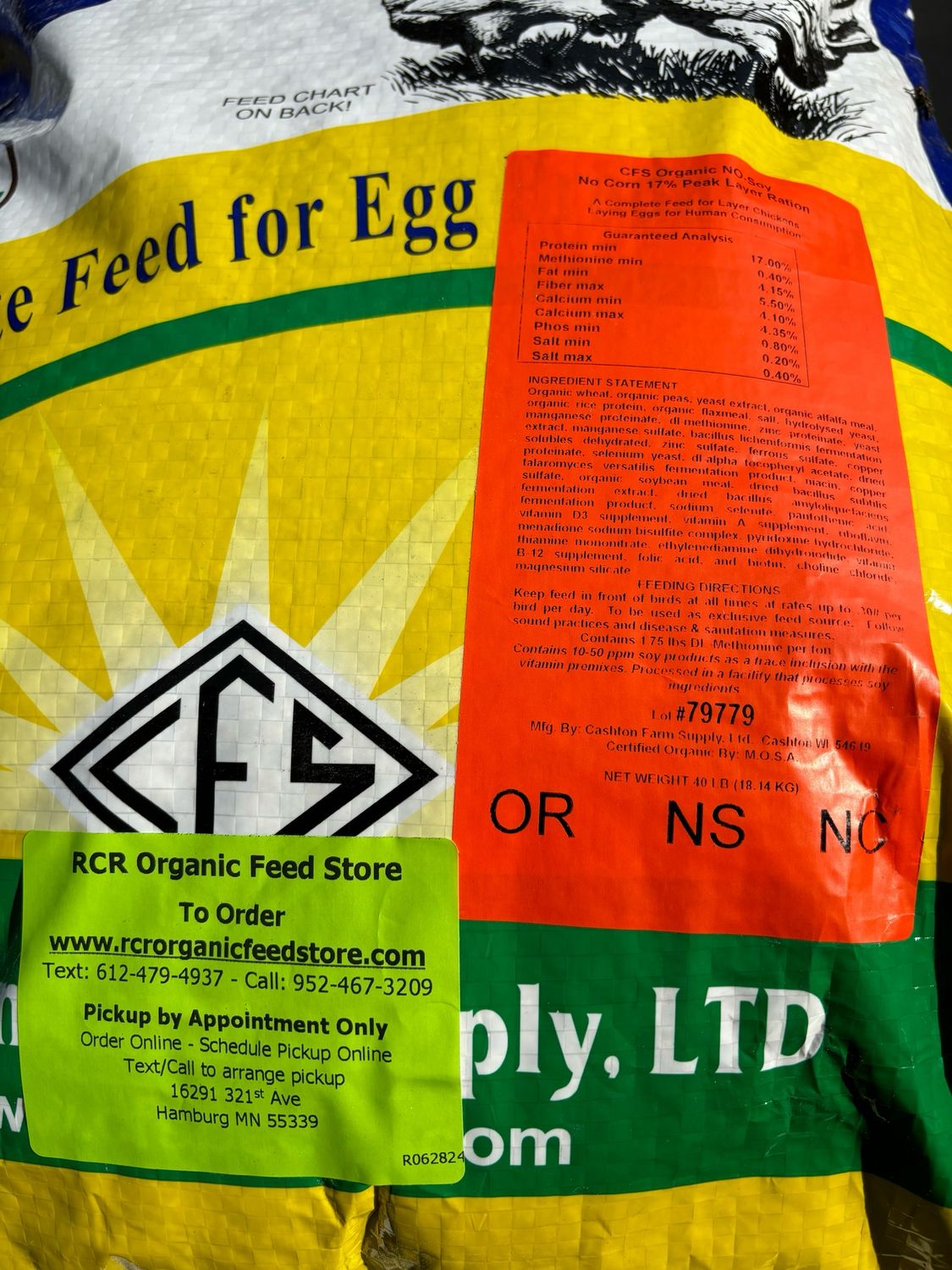
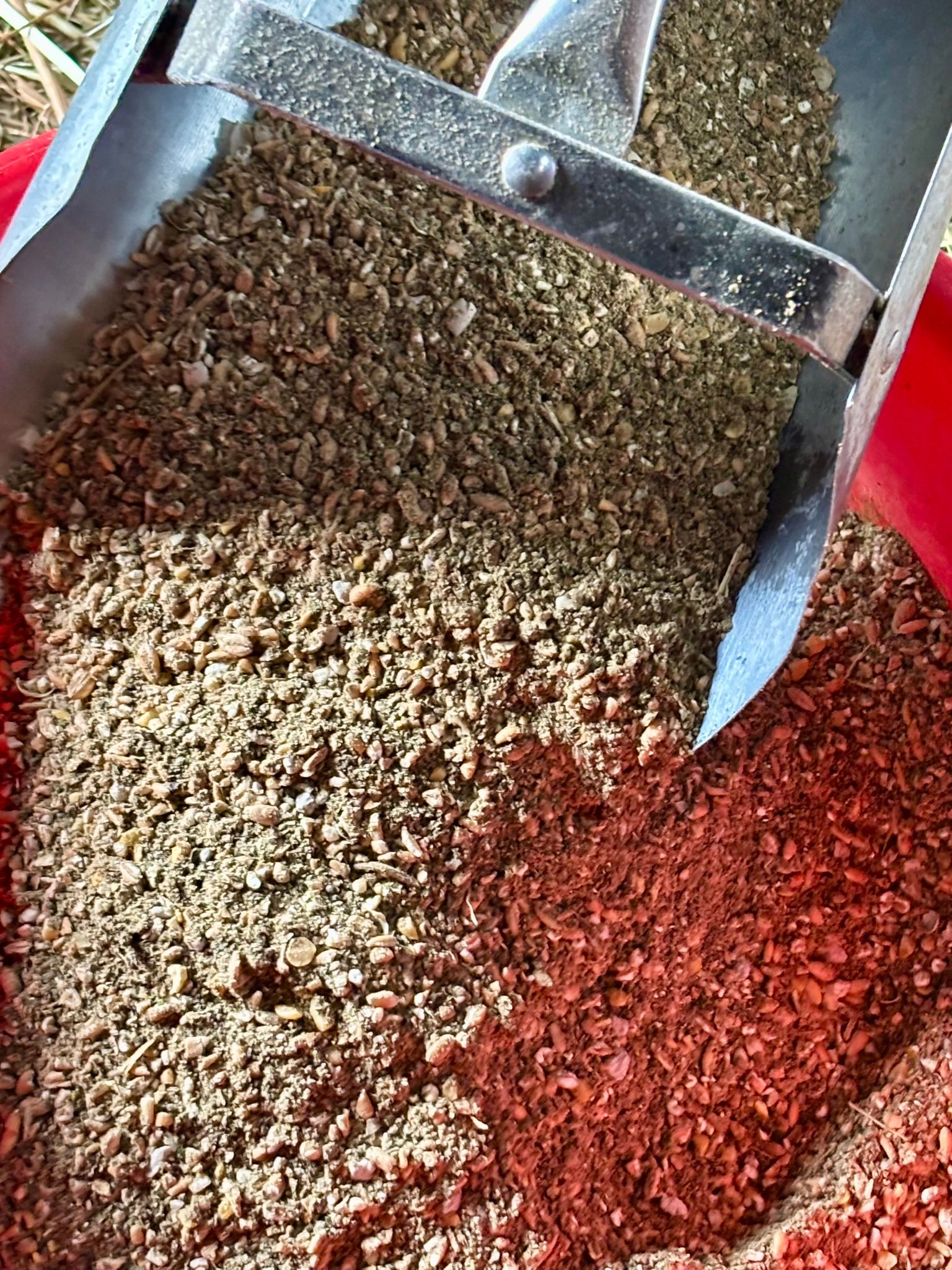
No Soy No Corn Layer Feed 17
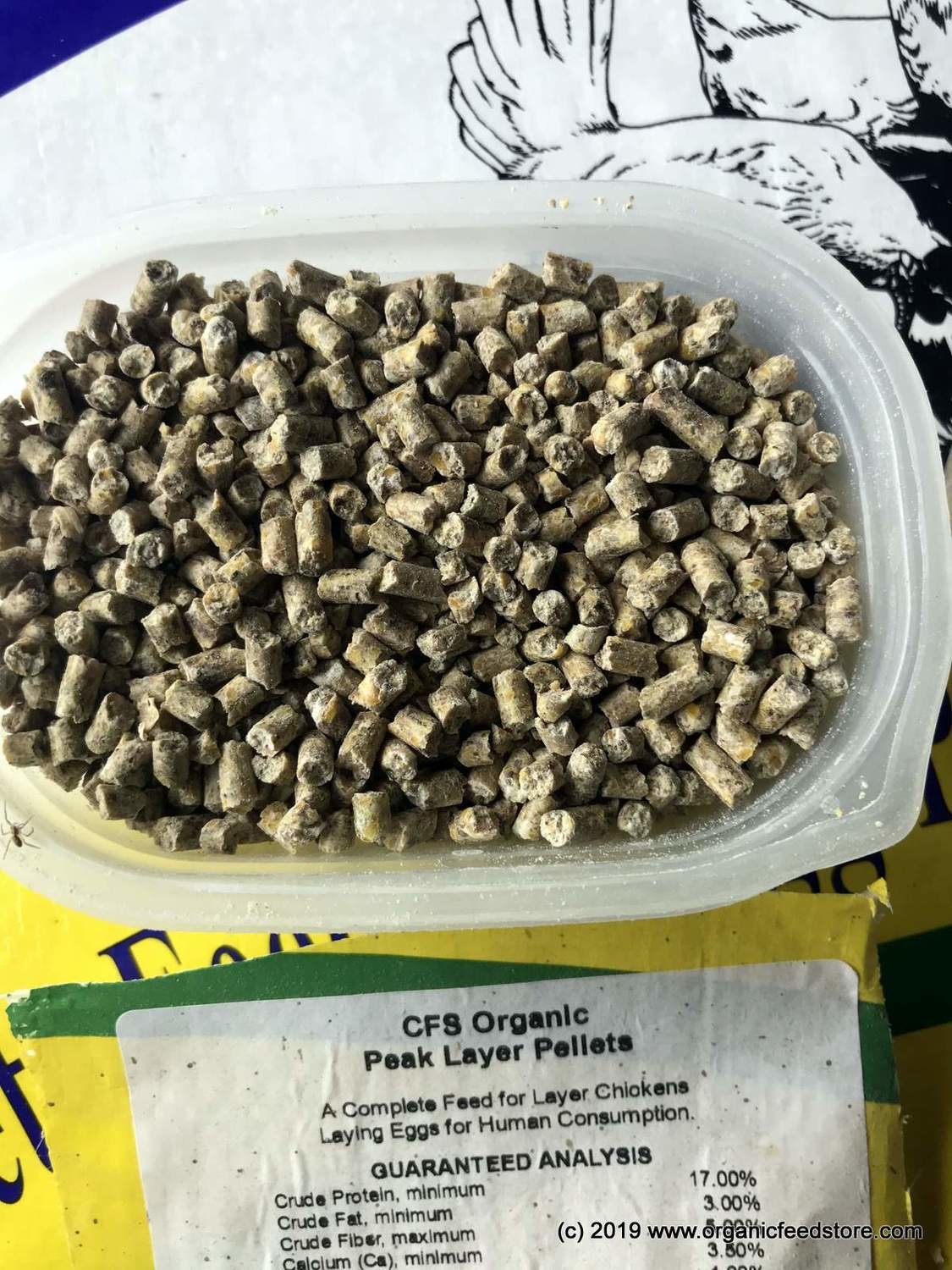
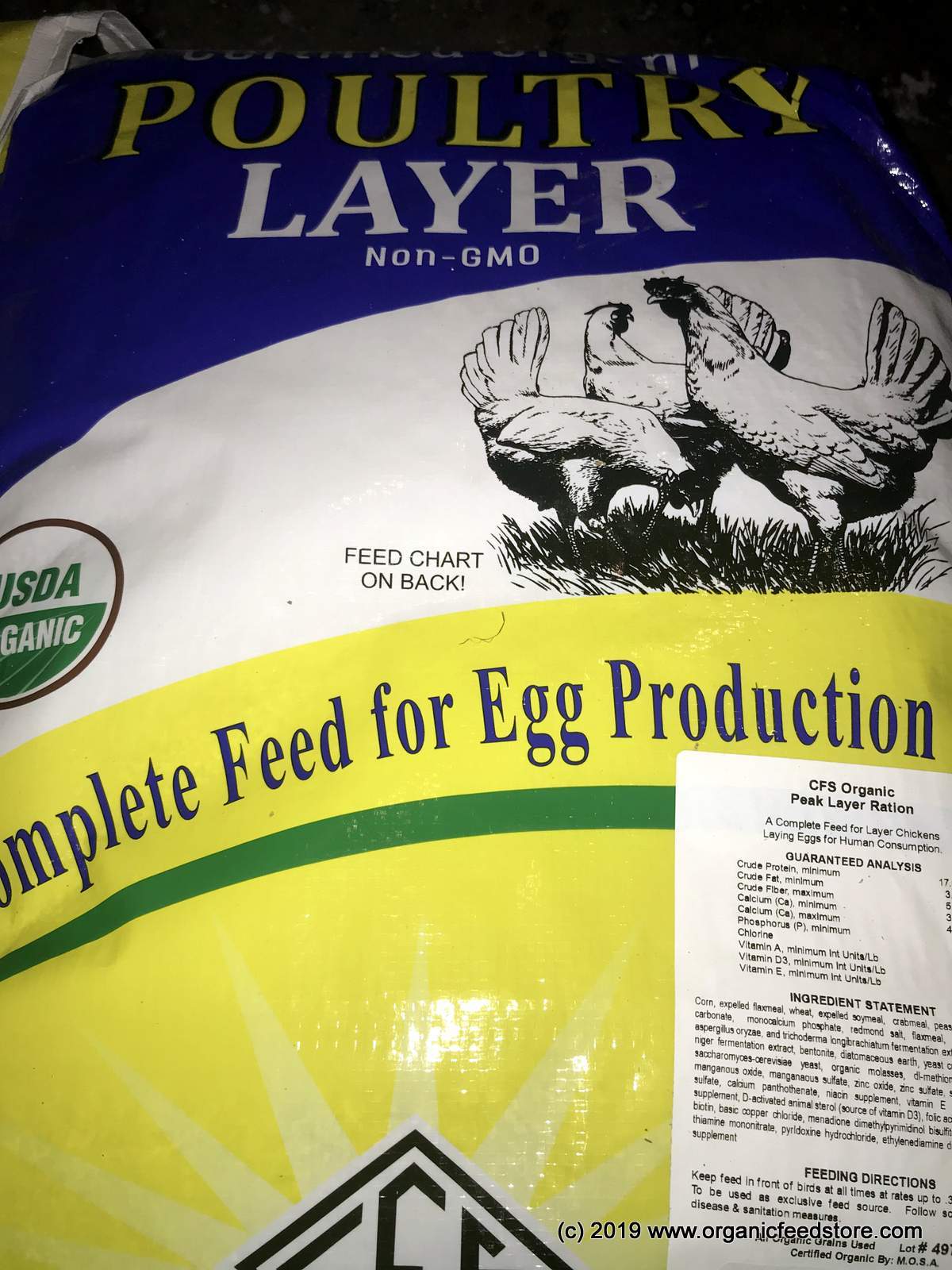
Organic Layer 17 Complete Pelleted Feed
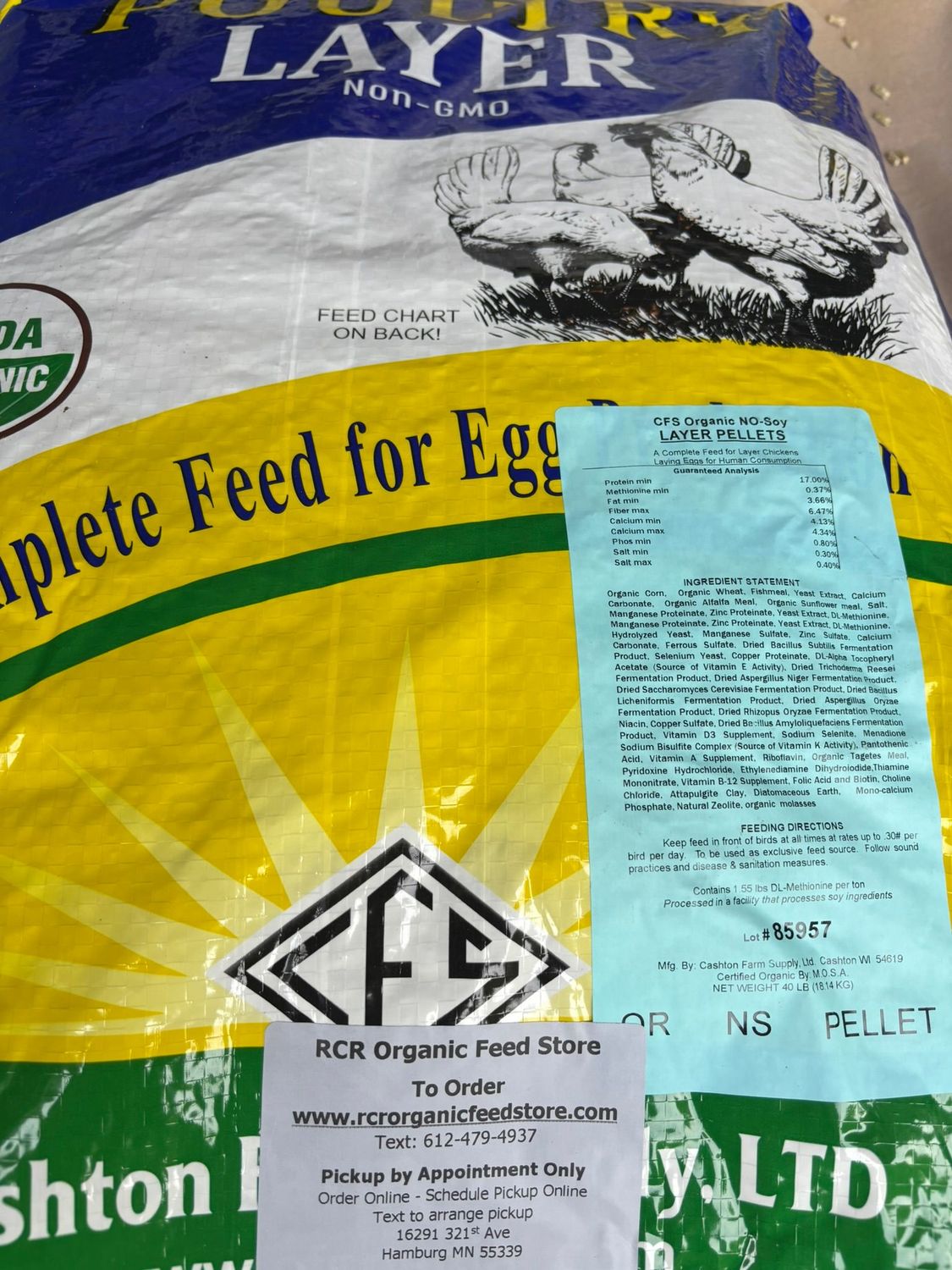
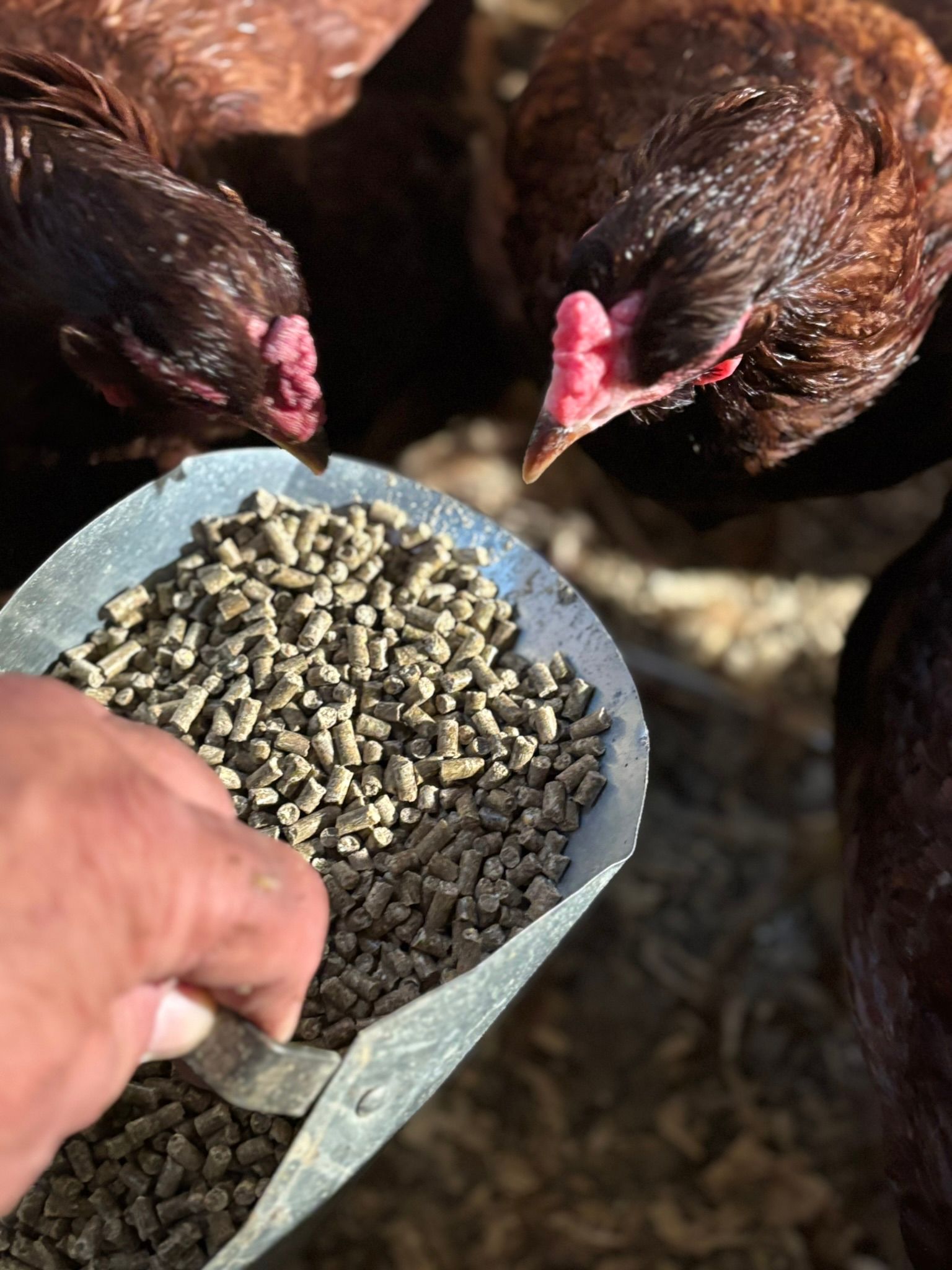
Soy Free Organic Layer Feed Pelleted
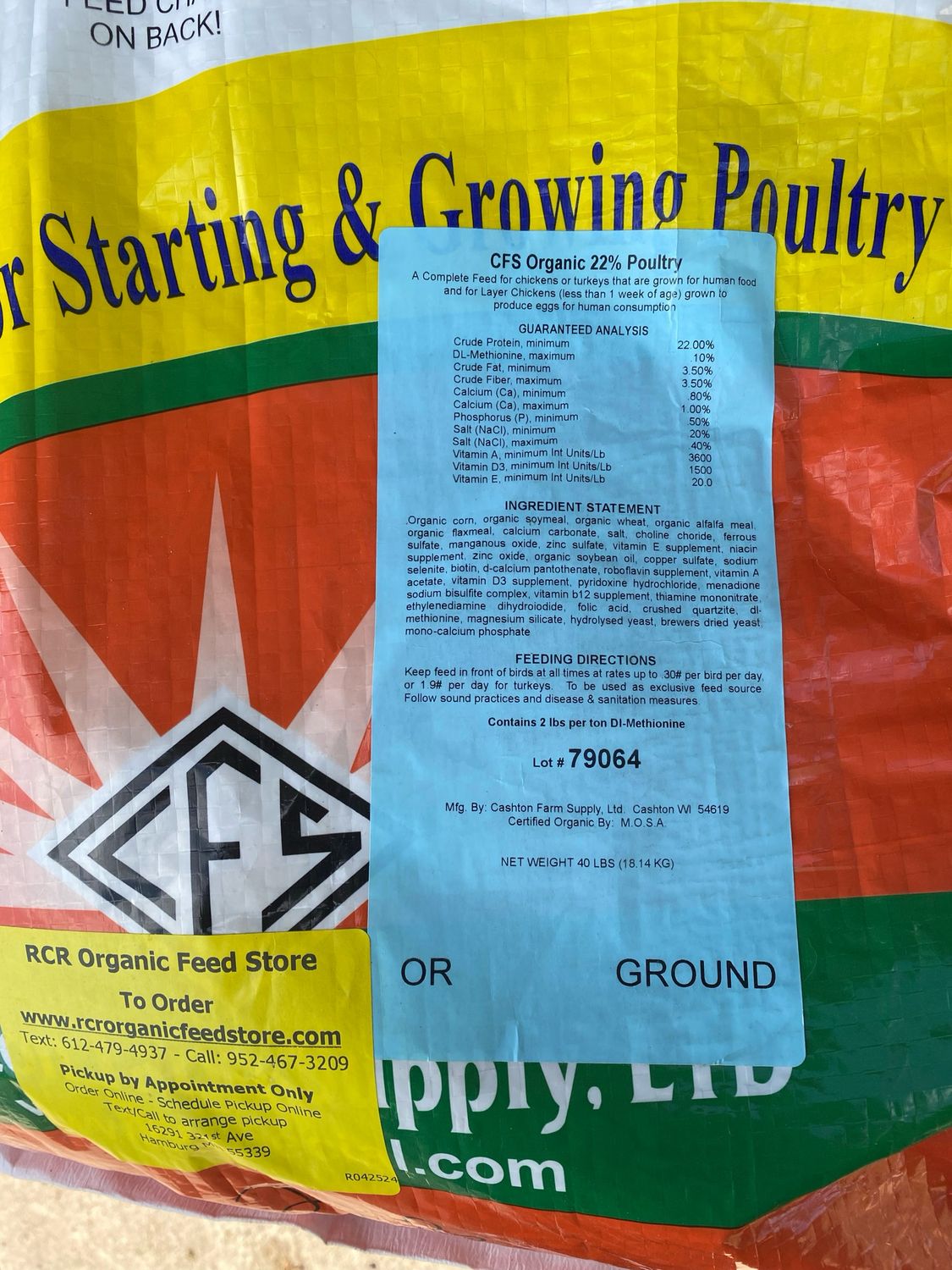
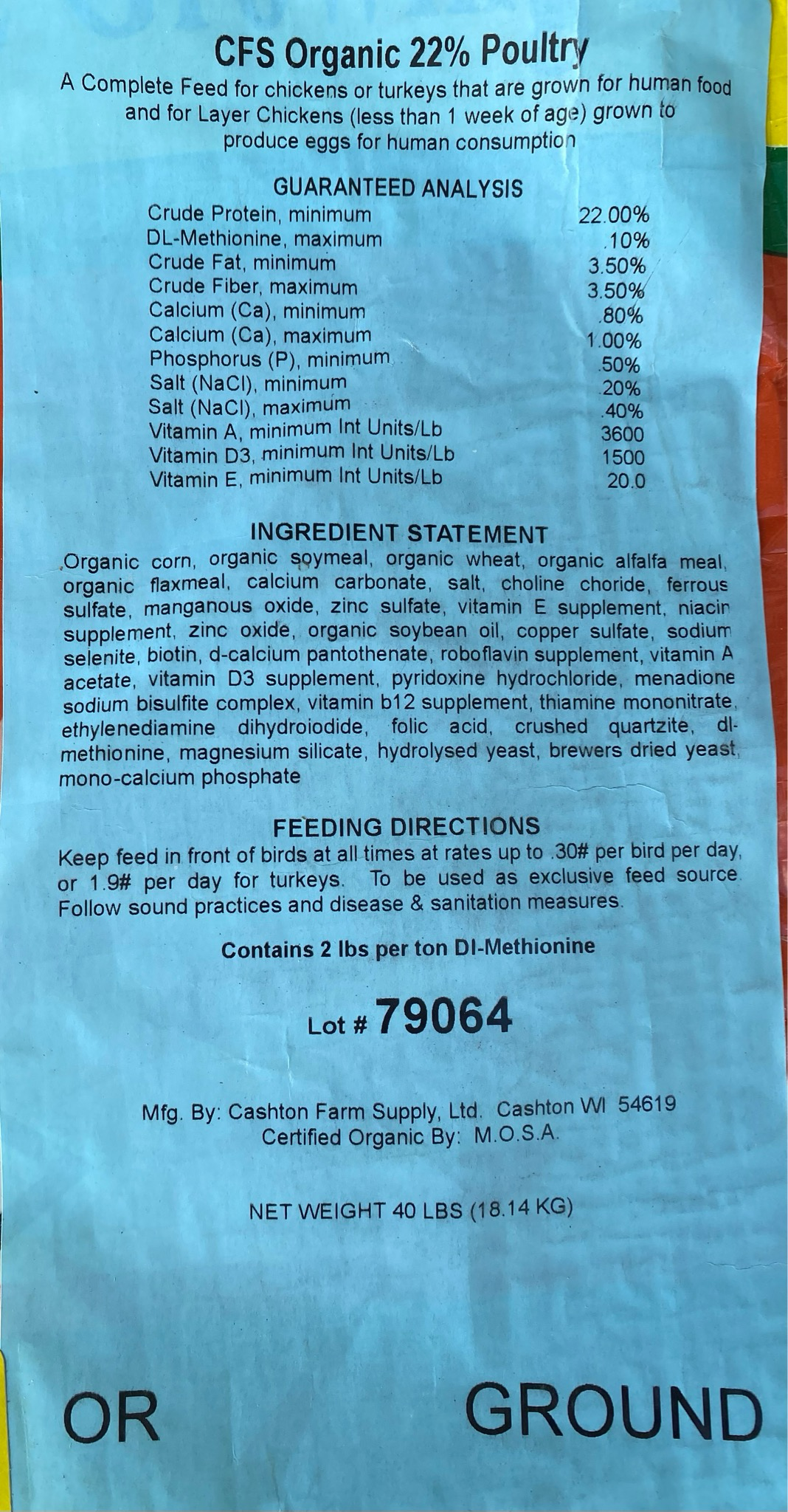
Starter 22 Pelleted
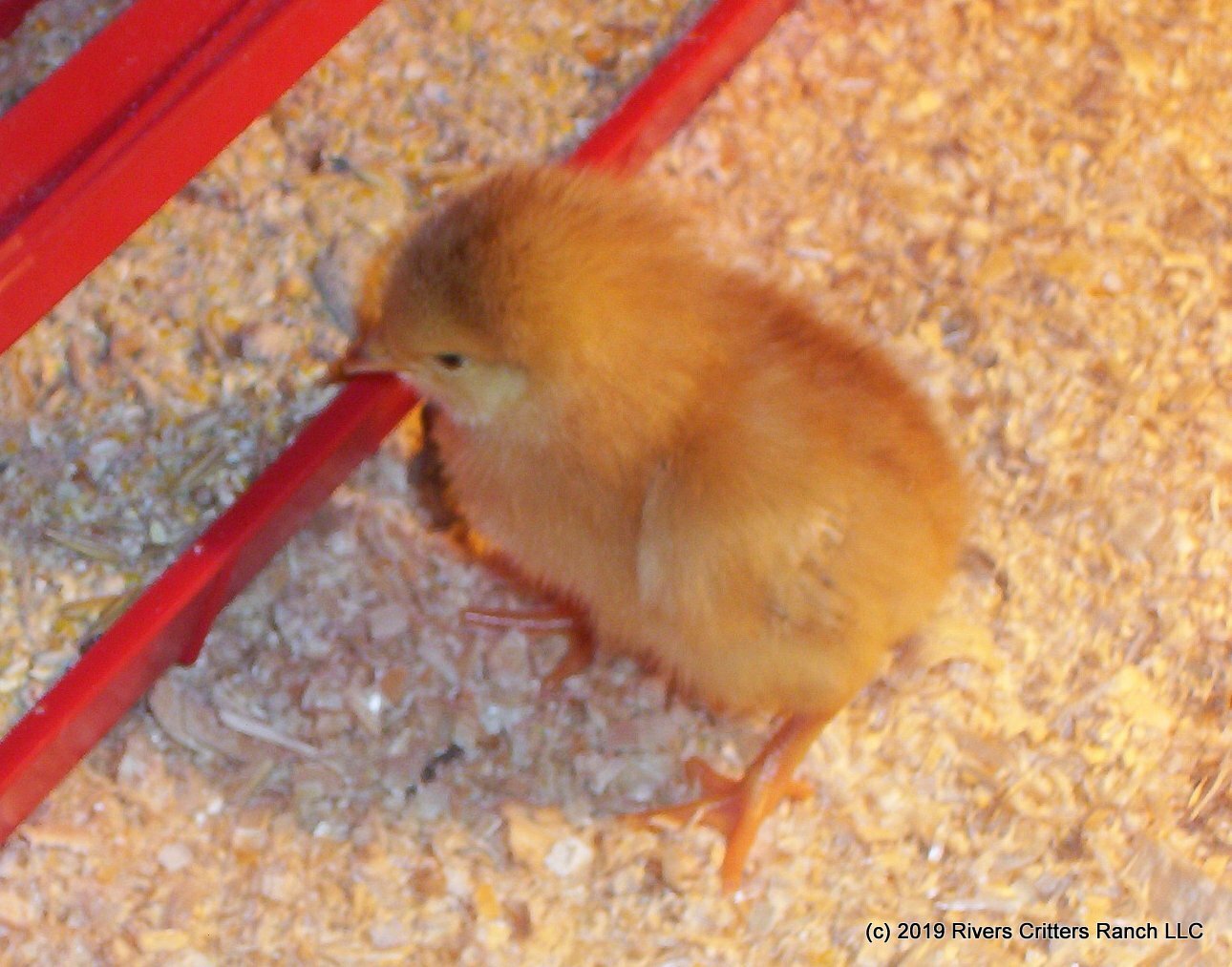
Chick Starter Complete 20 Ground
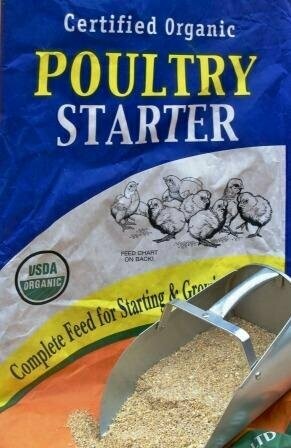
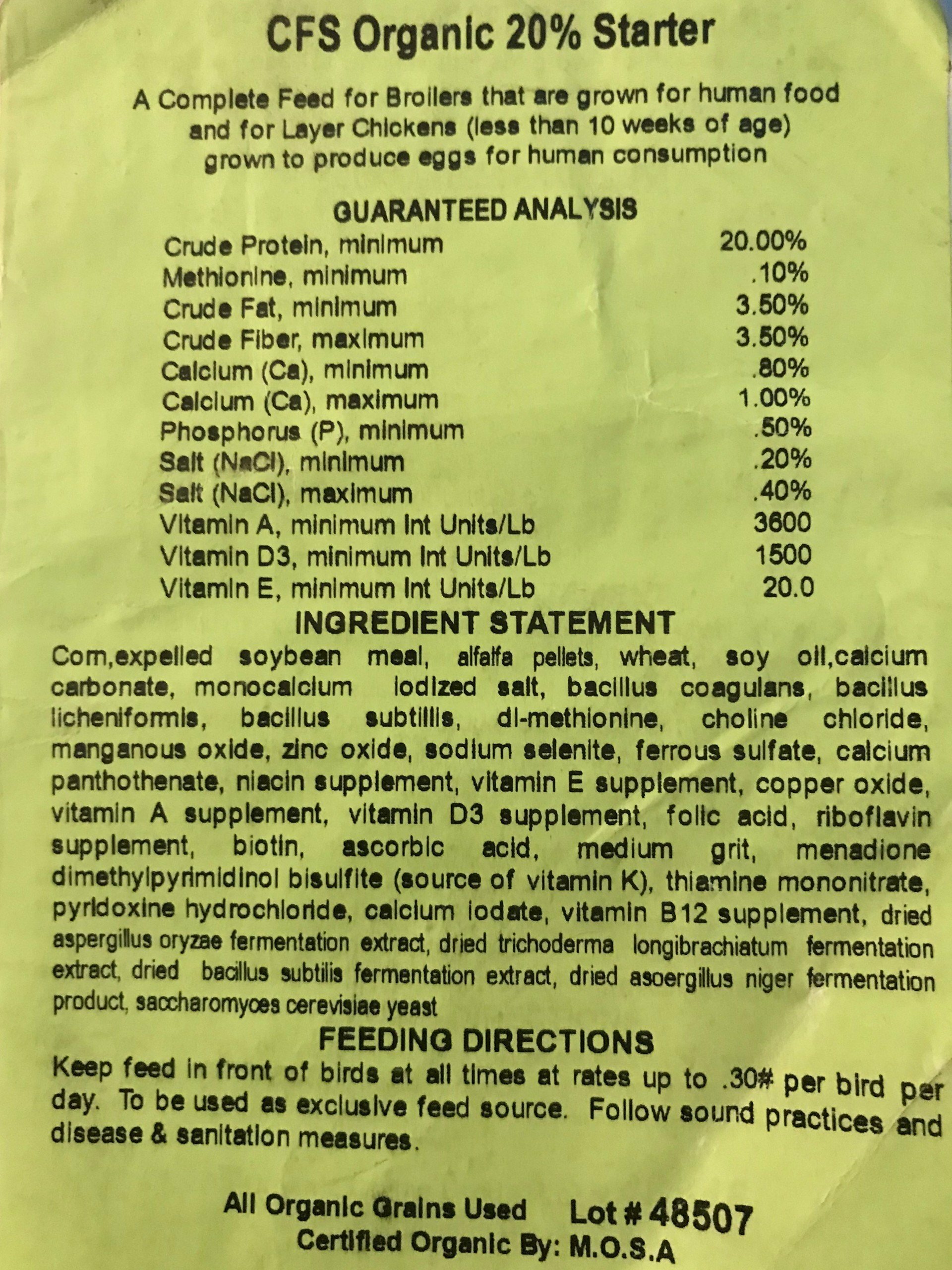
Organic Chick Starter 22% Ground Feed - Non-GMO
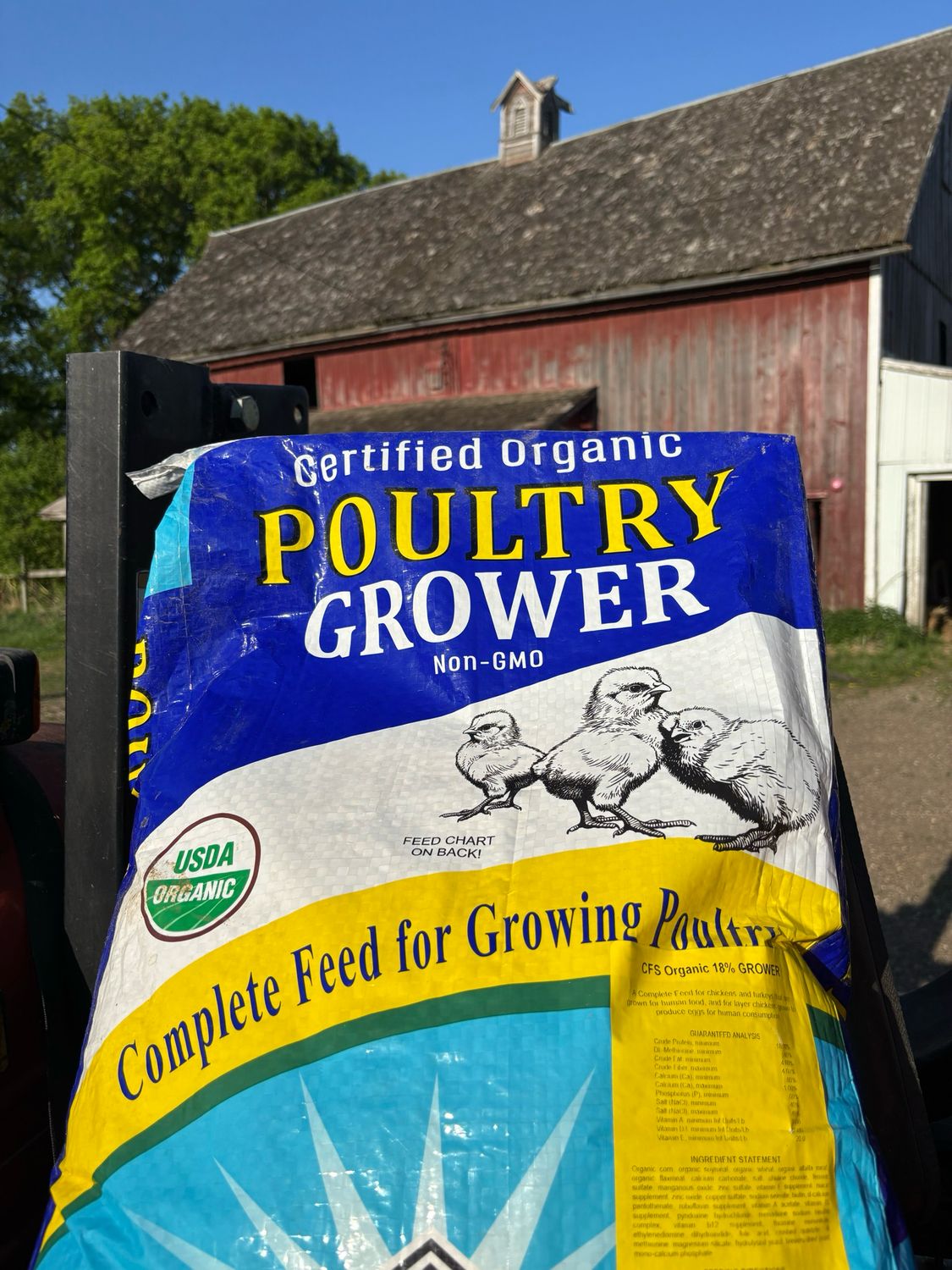
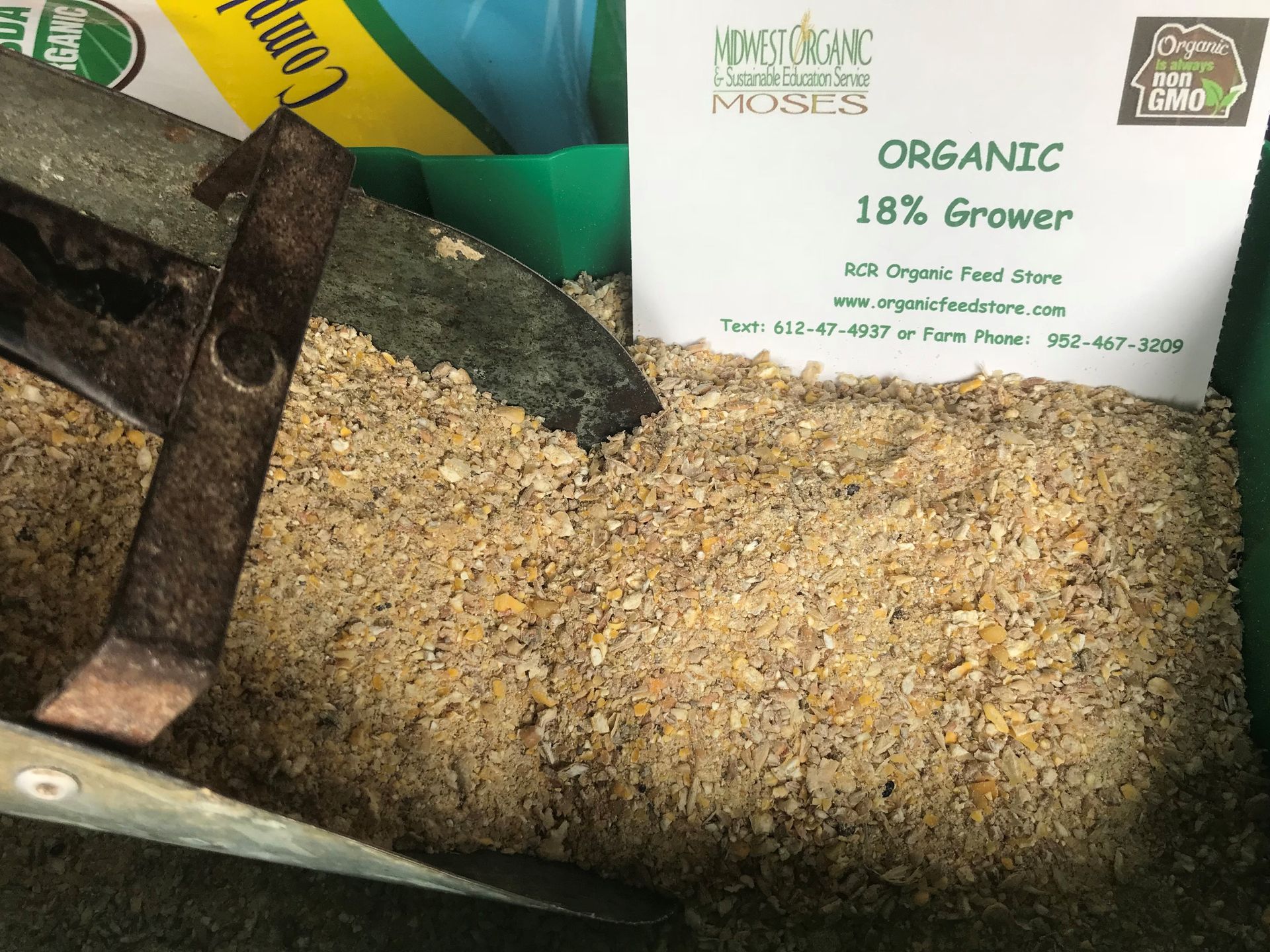
Poultry Grower Feed 18 Ground
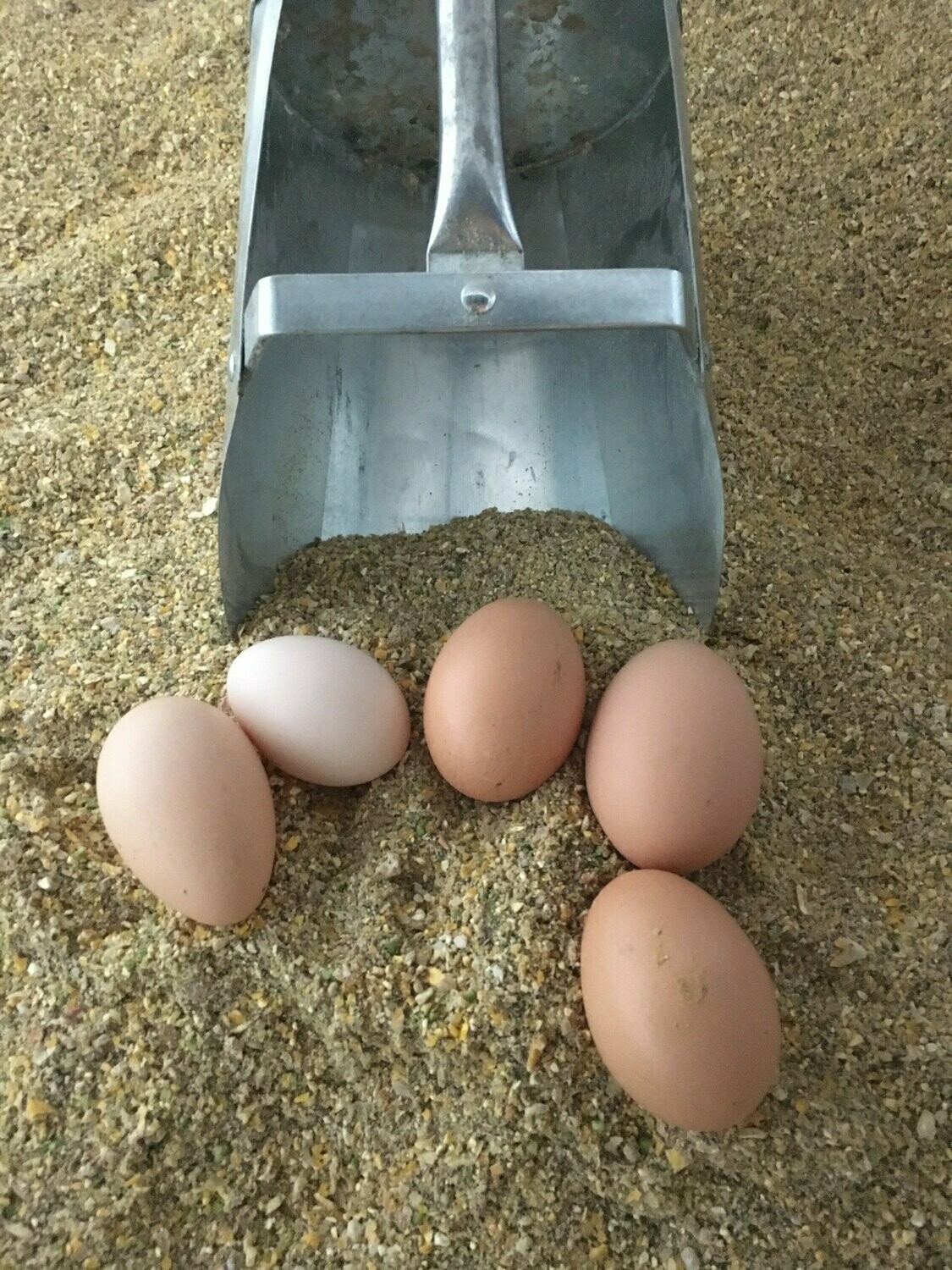
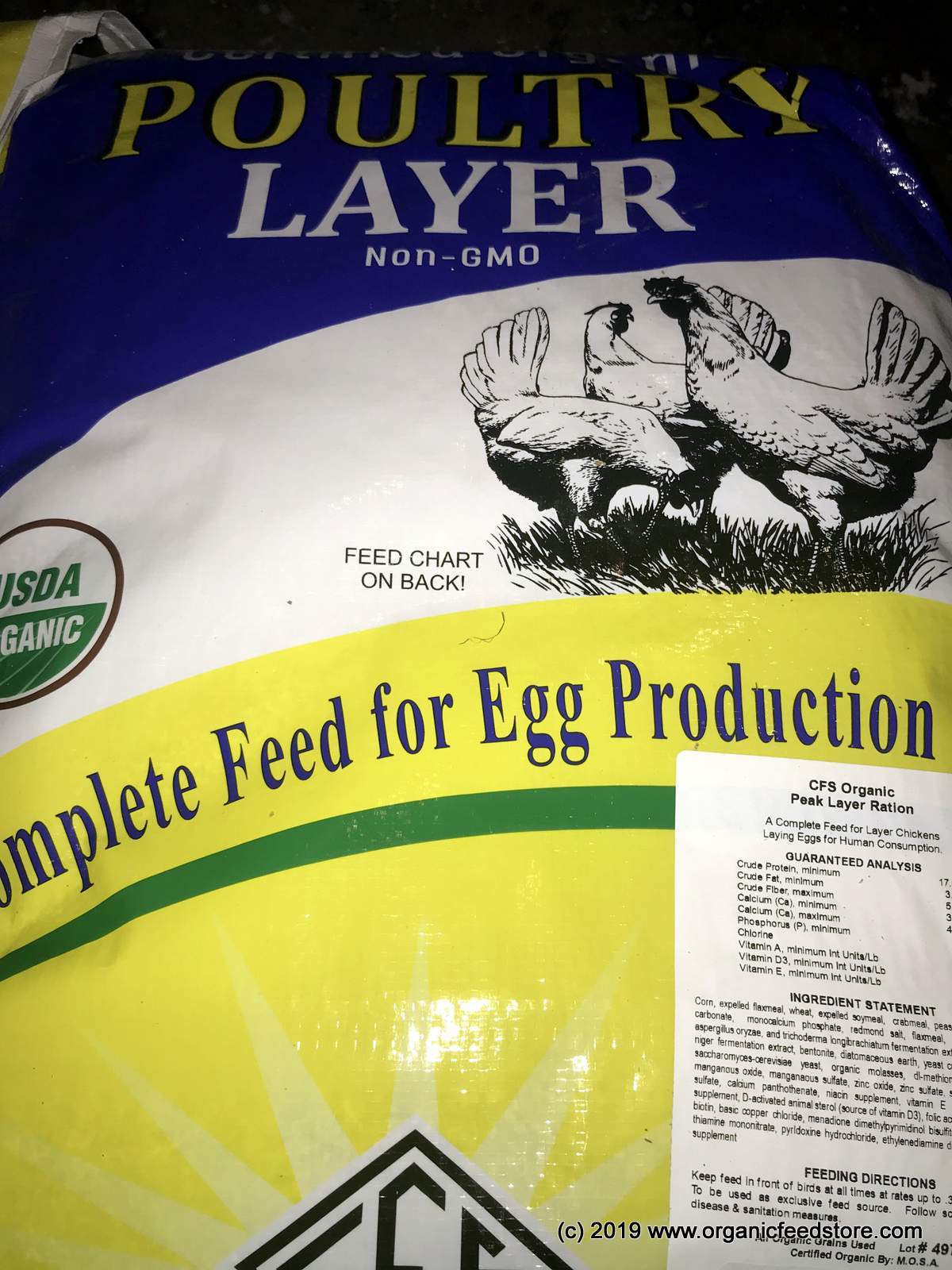
Poultry Layer 17 Complete Ground
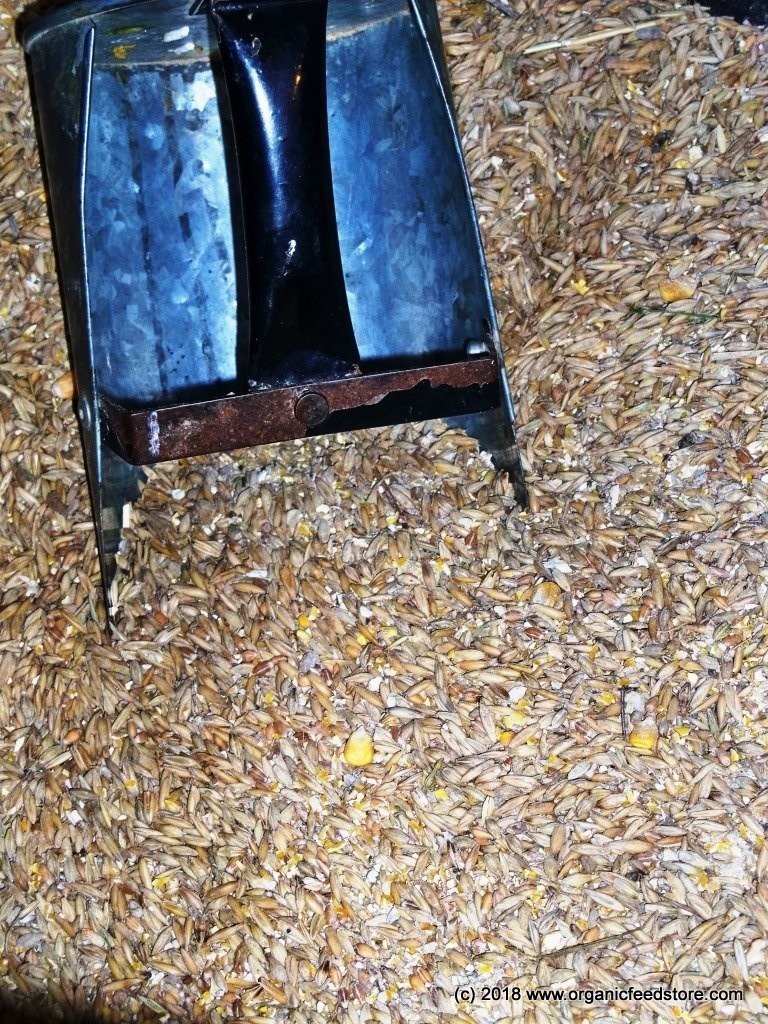
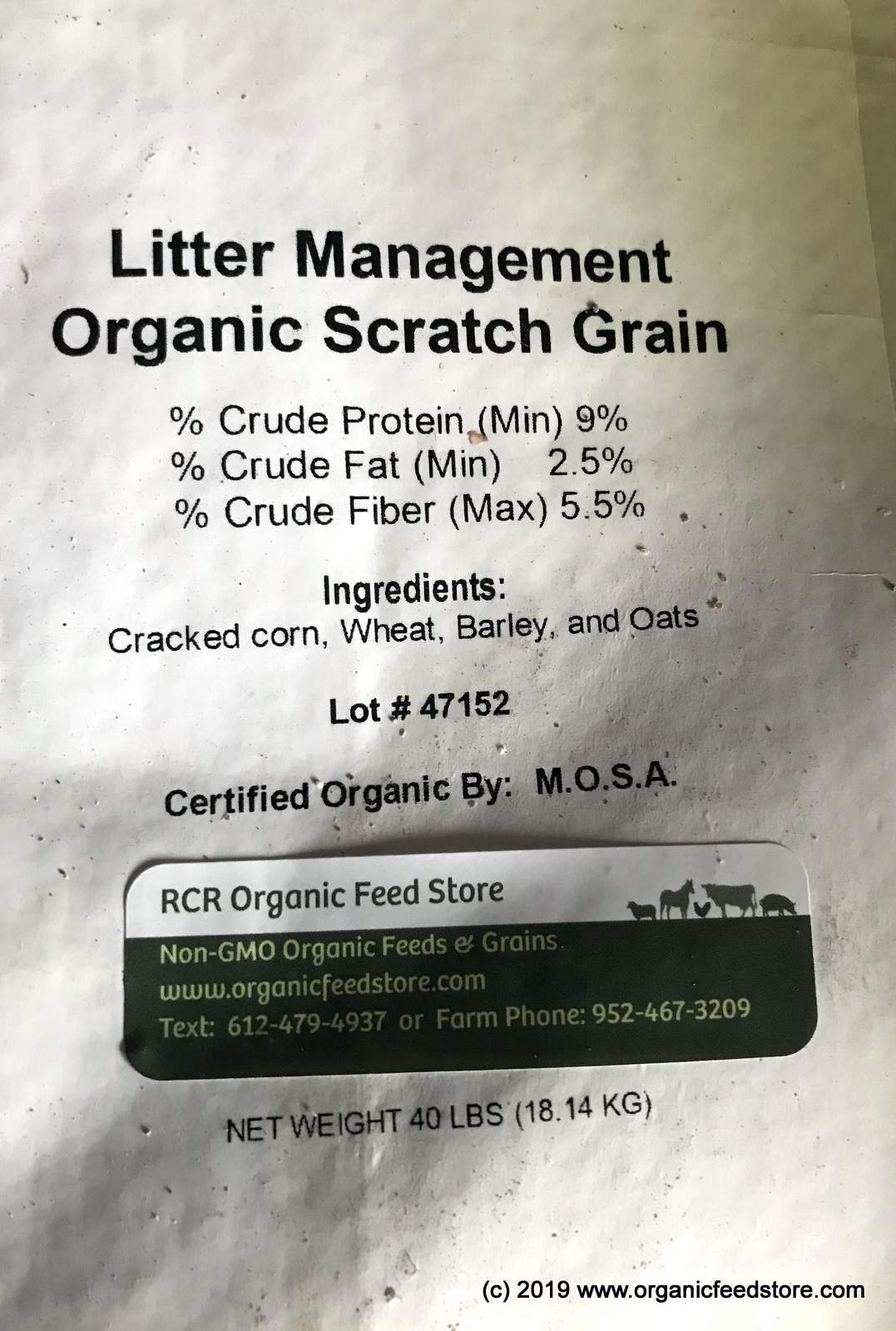
Poultry Scratch Grains
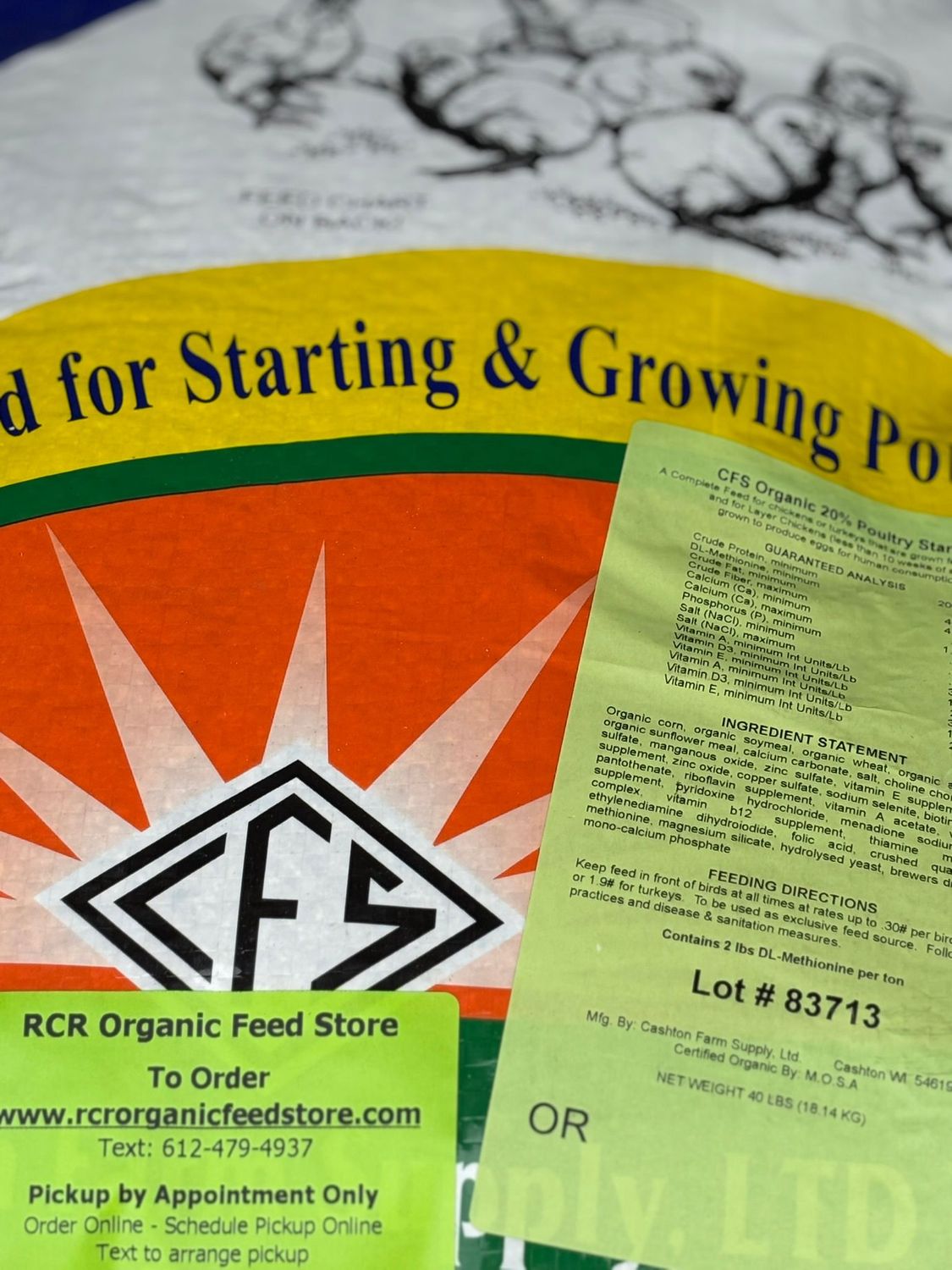
Soy Free Chick Starter 20 Ground
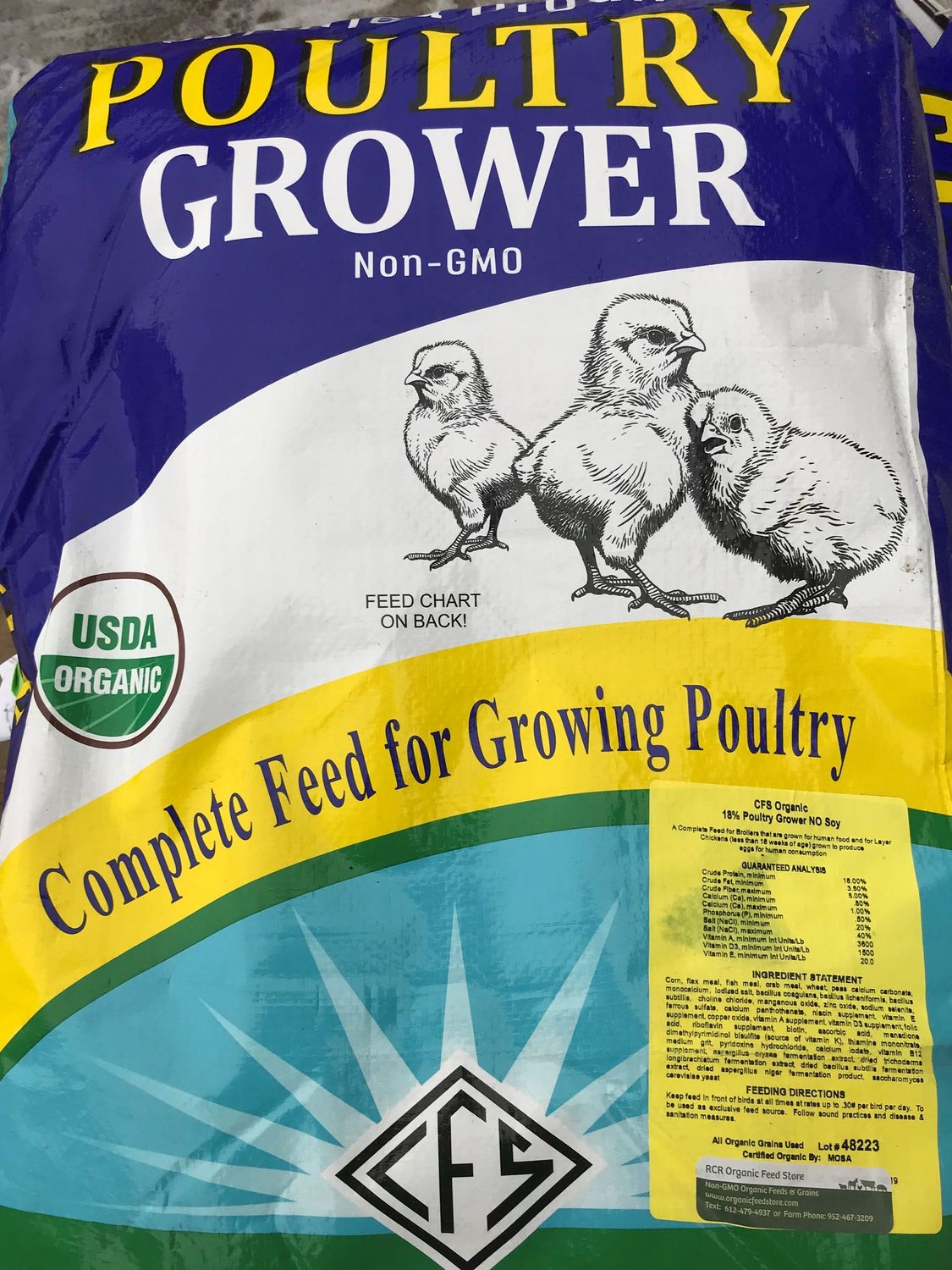
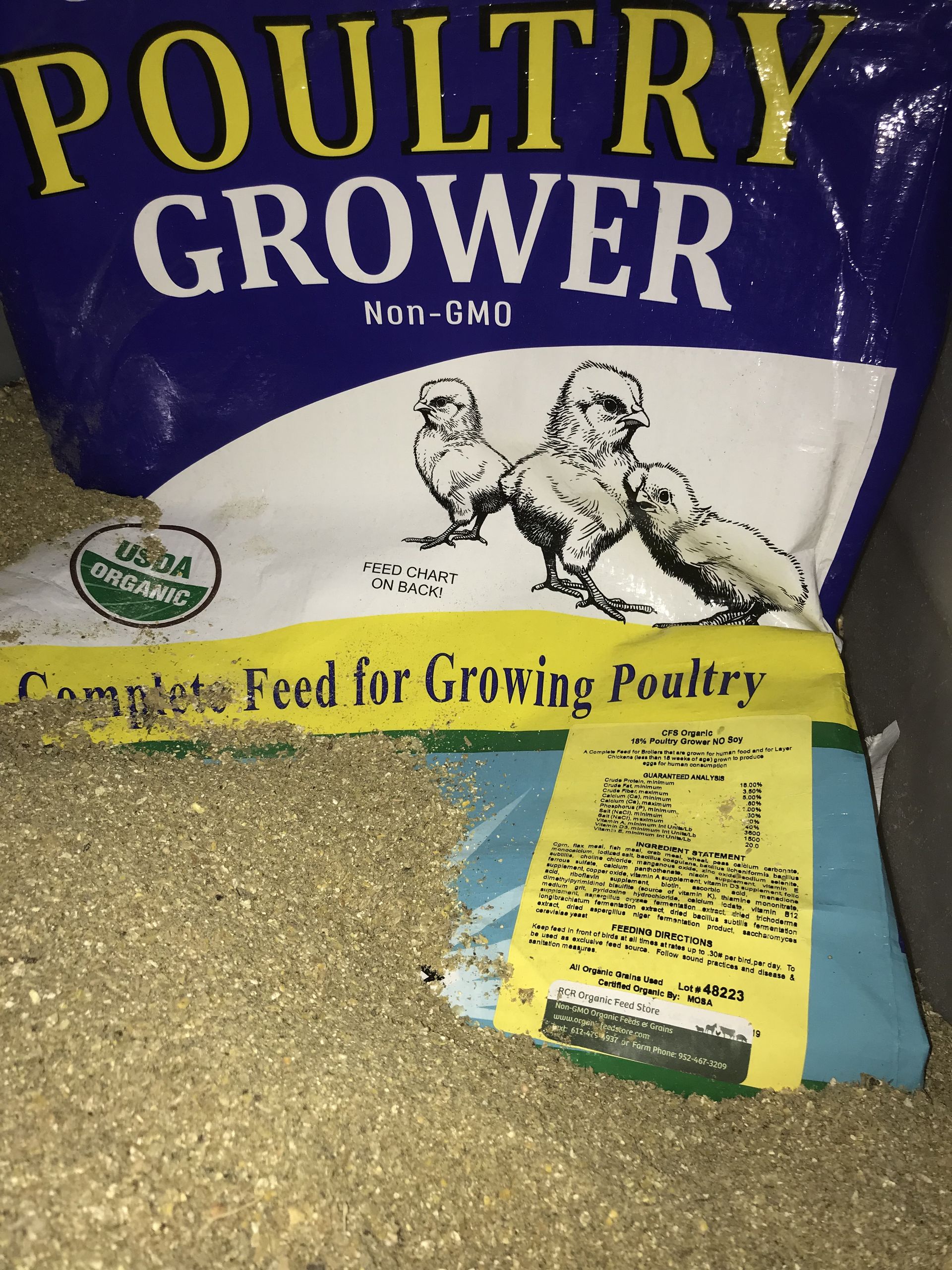
Soy Free Grower Feed 18% Ground
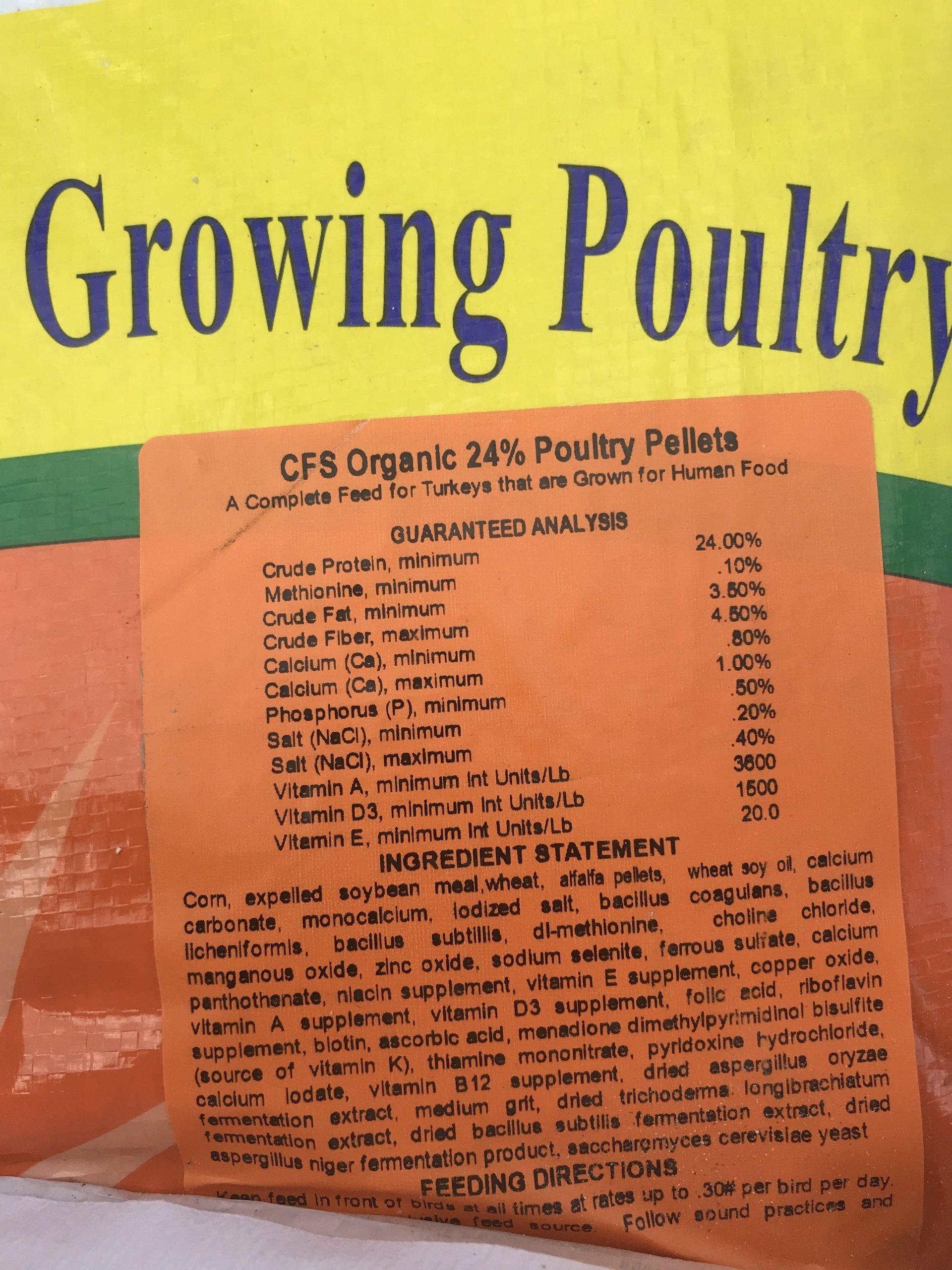
Turkey Poultry Starter 24 Pelleted
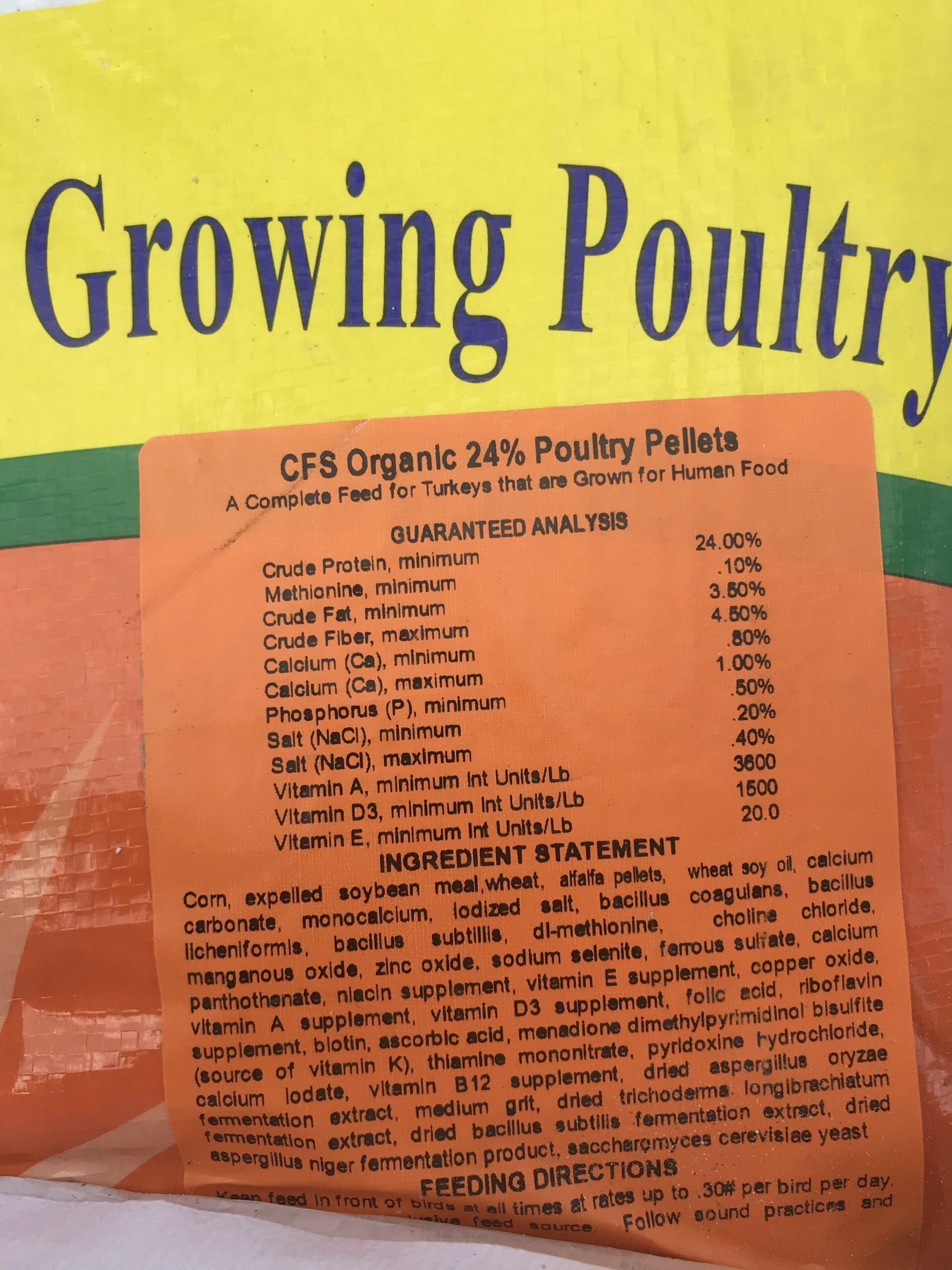
Turkey Poultry Starter 24 Ground
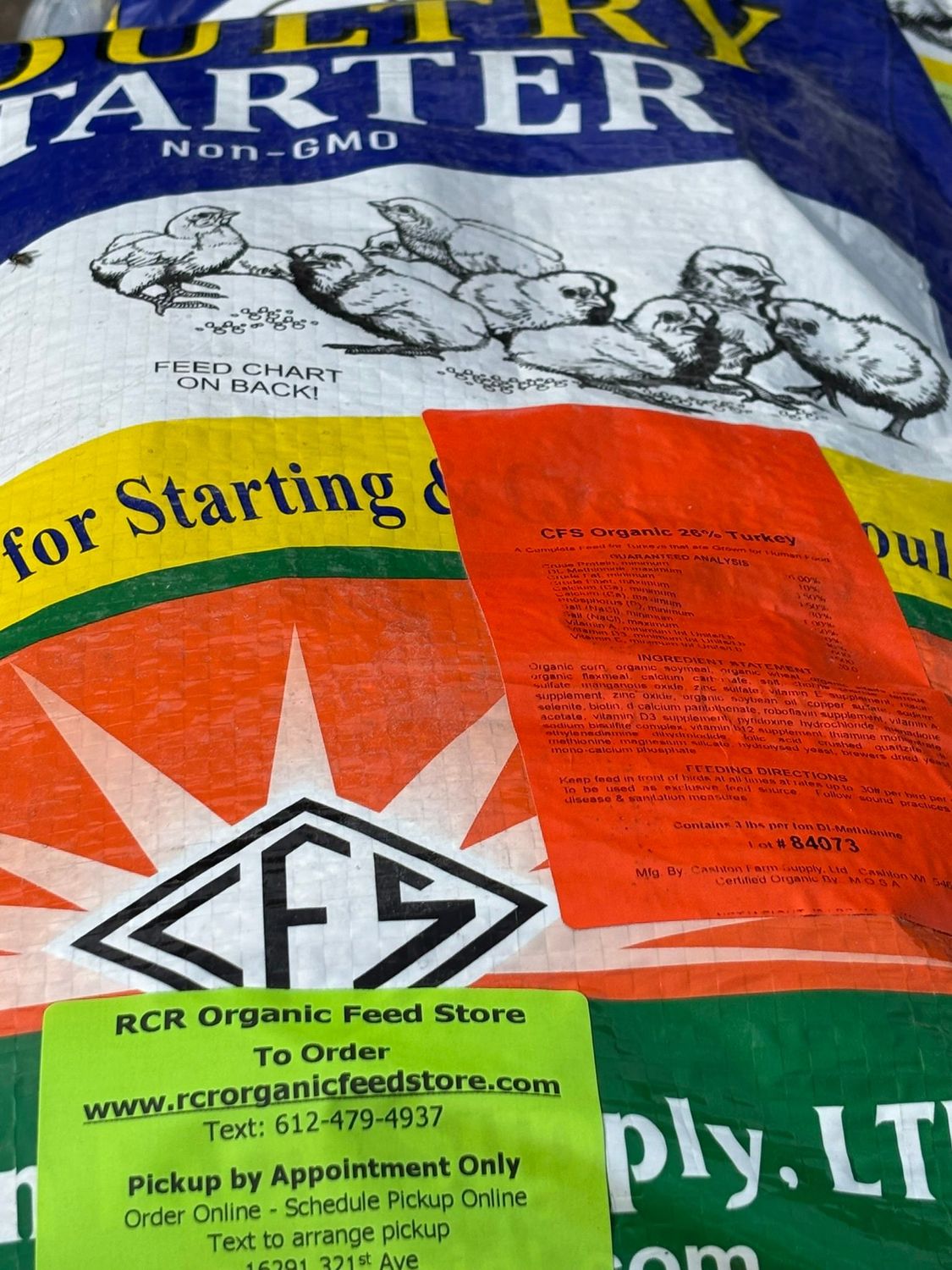
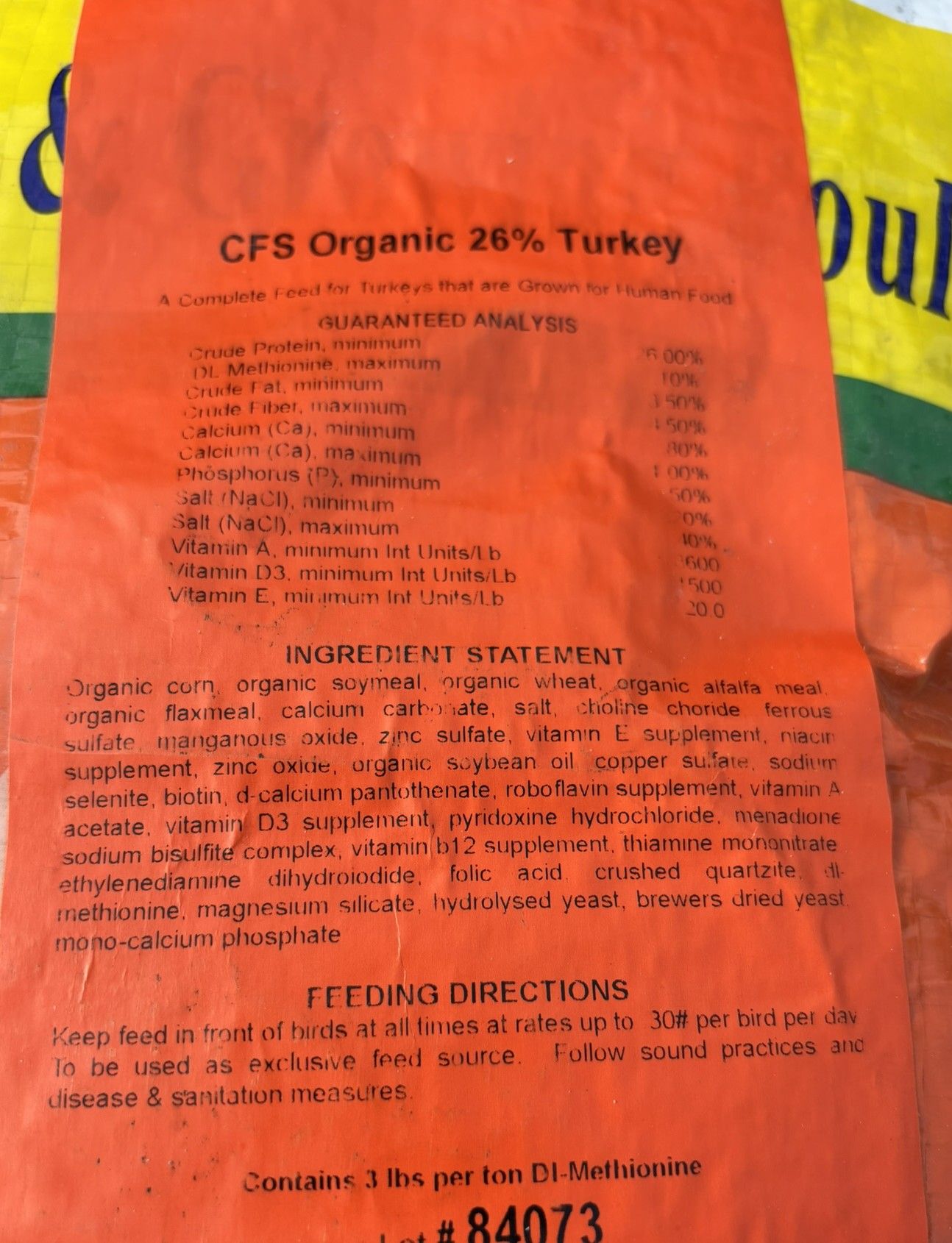
Organic Poultry Starter 26% Ground Feed - Non-GMO