Advice From The Barn | Ingrediant Guide
RCR Layer Feeding Guide
Understanding what each ingredient contributes is one of the keys to successful poultry nutrition. This guide explains common organic feed ingredients used for chickens, ducks, peacocks, and guinea hens, including their nutritional benefits, recommended inclusion rates, and important limitations. Whether you're feeding laying hens, raising meat birds, or maintaining an ornamental flock, this resource will help you make more informed feeding decisions.
Author: Advice From The Barn | RCR Organic Feed Store
Our Feeding Philosophy
At RCR Organic Feed Store, we rarely recommend building a layer ration completely from scratch.
Instead, start with a proven feed and customize it based on your flock, your goals, and the season.
Think of your feed as the foundation. Additional ingredients help fine-tune the ration, not replace it.
Over the years, we've found that the most successful feeding programs are usually the simplest. Start with a balanced feed, make adjustments with a purpose, and pay attention to what your birds are telling you.
There is no perfect feed program for every flock. What works for a small backyard flock in July may not be the best approach during a Minnesota cold snap in January. Healthy birds come from good nutrition, careful observation, and small adjustments when conditions change.
Why We Adjust Feed
One of the things we enjoy most about raising chickens is that feeding time gives us a reason to slow down and pay attention to the flock. Over the years, we've made small feed adjustments for all kinds of reasons. Sometimes it's because a Minnesota winter is on the way. Sometimes birds are molting. Sometimes we're trying to add a little variety to the ration. And sometimes we're simply looking for a practical way to stretch feed costs without sacrificing nutrition.
The important thing is understanding why you're making the adjustment. At RCR, we don't believe in changing feeds just because someone on the internet says you should. We believe in watching the birds first. Are they maintaining weight? How is egg production? What do the feathers look like? Are they active and healthy?
Good feeding programs start with observation. For us, feed is more than nutrition. It's one of the best ways to stay connected to our birds. Every adjustment is an opportunity to learn something about the flock and respond to what they're telling us. There is no perfect feeding program for every backyard flock. A group of young hens in spring has different needs than older layers heading into a Minnesota winter.
Start with a quality feed. Make adjustments with a purpose. Then let the birds tell you if you're heading in the right direction.
Step 1: Pellet or Ground Feed?
This is usually the first question we ask customers looking for a layer feed.
There isn't a right or wrong answer. Both options can produce healthy, productive hens. The best choice often comes down to how involved you want to be in your feeding program and how you prefer to feed your flock.
Layer Pellets
Pellets are simple, consistent, and easy to feed.
Because the ingredients are compressed into a pellet, birds can't sort through the feed and pick out their favorite ingredients. Every bite contains the same balanced nutrition.
Many customers choose pellets because they reduce waste, are easy to handle, and simplify feeding chores.
At RCR, our pellets are produced using a cold-press process. The ingredients are compressed into pellets without adding heat during manufacturing. This allows customers to enjoy the convenience of pellets while maintaining the feed's ingredient profile.
Best For:
- New poultry owners
- Larger flocks
- Customers looking for simplicity
- Reducing feed waste
Ground Layer Feed
Ground feed allows customers to see the ingredients that make up the ration.
Many poultry owners enjoy being more involved in their feeding program and appreciate being able to identify the grains and ingredients their birds are eating.
Ground feed also makes it easy to blend in additional ingredients when making seasonal adjustments.
Best For:
- Hands-on flock owners
- Customers who enjoy customizing feed
- Mixing supplemental ingredients
- Customers who like seeing individual ingredients
Why Some Customers Feed Both
One of the biggest misconceptions we hear is that you must choose pellets or ground feed. You don't. Many of our customers successfully feed a combination of both. In fact, that's the approach Tom uses with his own flock. Pellets provide consistency while ground feed adds variety and makes seasonal adjustments easier. We'll cover that approach in the next section.
RCR Tip
Don't spend too much time worrying about pellets versus ground feed. Healthy birds can thrive on either.
The bigger decision is choosing a quality feed, providing balanced nutrition, and paying attention to what your birds are telling you.
Step 2: Choosing Your Feeding Program
Once you've decided whether you prefer pellets, ground feed, or a combination of both, the next question is usually:
What are you hoping to accomplish with your feeding program?
Most customers fall into one of three categories:
- Traditional feeding
- No-soy feeding
- No-soy/no-corn feeding
There isn't a right or wrong choice. The best feeding program is the one that fits your goals while still providing the nutrition your birds need.
Traditional Feeding Programs
Traditional layer feeds remain the most popular choice for many backyard flocks. They're balanced, economical, and easy to feed. For most customers, a quality layer feed provides everything needed to support healthy birds and consistent egg production. If you're new to poultry, this is often where we recommend starting. Good nutrition doesn't have to be complicated.
No-Soy Feeding Programs
Some customers prefer to avoid soybean meal and look for alternative protein sources.
That's perfectly fine, but the birds still need adequate protein.
One of the most common mistakes we see is focusing so much on removing soy that customers forget why soy was included in the first place.
A quality no-soy feed gives you a balanced starting point while allowing you to feed according to your preferences.
No-Soy / No-Corn Feeding Programs
Customers choosing no-soy/no-corn feeds are usually looking for maximum control over feed ingredients.
These feeding programs can work very well, but they require the same thing every successful feeding program requires:
Balanced nutrition.
Removing soy and corn doesn't eliminate a bird's need for energy, protein, vitamins, or minerals.
That's why we always recommend starting with a complete feed rather than trying to build a ration from scratch.
RCR Tip
Don't get too caught up in finding the "perfect" feed. We've seen healthy, productive flocks on traditional, no-soy, and no-soy/no-corn feeding programs. The common denominator is almost always the same:
Start with a quality feed, make changes for a reason, and pay attention to your birds.
| Ingredient | Category | Primary Benefit | Typical Use | RCR Recommended Maximum | Species Notes |
|---|---|---|---|---|---|
| Corn | Grain | Energy | Year-round energy source | TBD | Most poultry species |
| Oats | Grain | Fiber and energy | Excellent supplemental grain | TBD | Most poultry species |
| Wheat | Grain | Energy and protein | Common feed ingredient | TBD | Most poultry species |
| Barley | Grain | Fiber and energy | Often used in mixed rations | TBD | Most poultry species |
| Peas | Protein | Protein replacement for soy | Protein supplement | 20 percent | Do not exceed 20 percent of ration |
| Soybean Meal | Protein | High protein | Major protein ingredient | TBD | Common in balanced feeds |
| Black Oil Sunflower Seeds | Supplement | Fat and energy | Feathering and winter support | TBD | Treat or supplement |
| Flax Seed | Supplement | Omega-3 fatty acids | Nutritional supplement | TBD | Use in moderation |
| Alfalfa Meal | Forage | Vitamins and fiber | Supplemental ingredient | TBD | Excellent green feed source |
| Oyster Shell | Mineral | Calcium | Free-choice supplement | TBD | Layers only |
| Grit | Mineral | Digestion | Essential with whole grains | TBD | Required for grain feeding |
| Kelp | Mineral | Trace minerals | Supplemental nutrition | TBD | Supplement only |
New Title


Barley Whole Grain
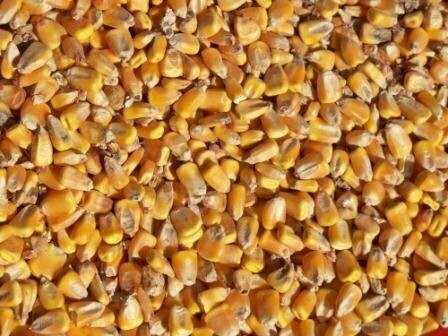
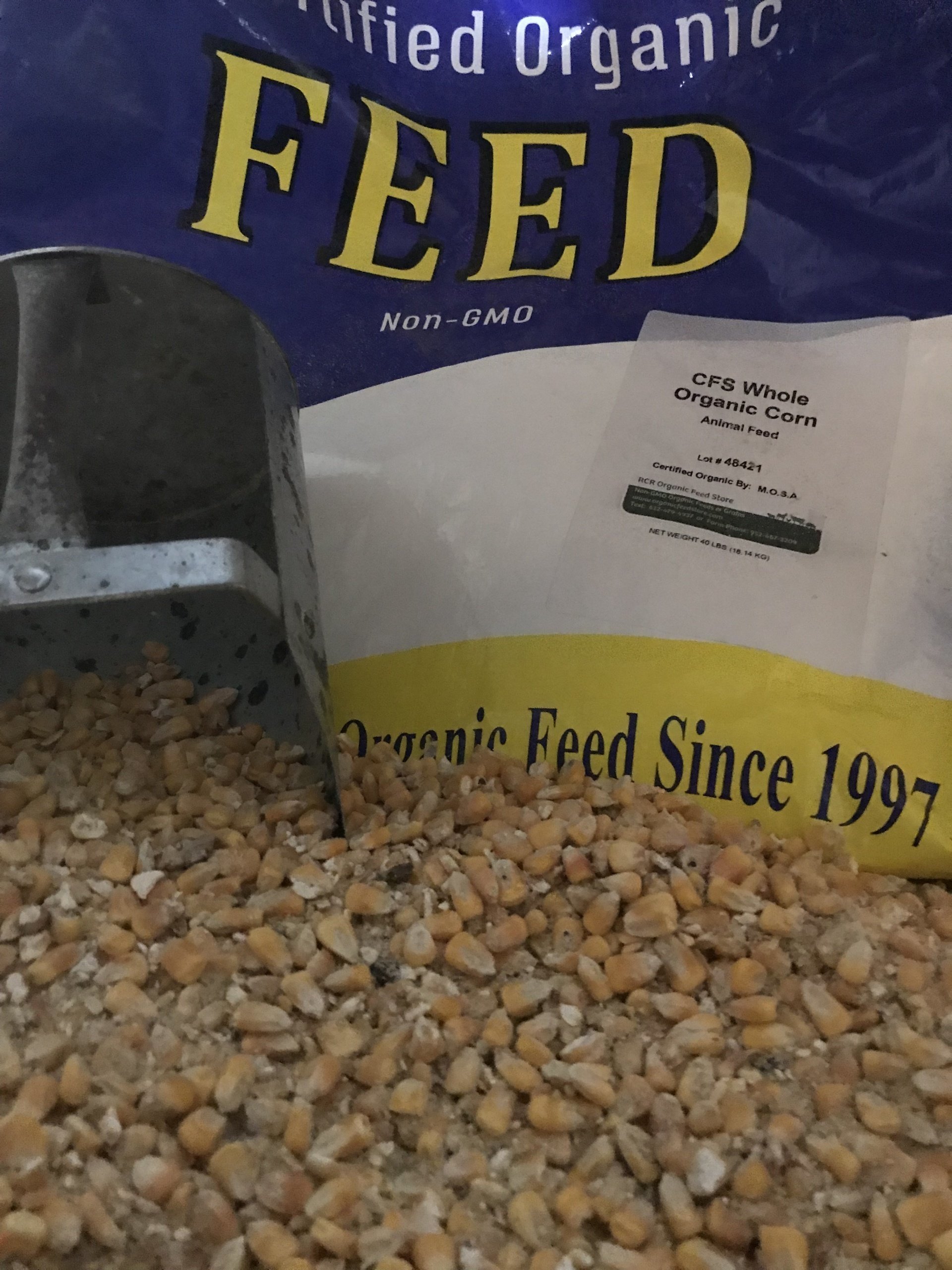
Corn Whole


Flax Seed Whole

Peas Field - Whole


Oats - Whole


Whole Wheat


Alfalfa Pellets

Kelp Meal