Corn Is Fuel. Protein Is BuildingMaterial
A simple winter feeding question turned into a lesson about energy, protein, and understanding feed tags.
Author: Advice From The Barn | RCR Organic Feed Store
Introduction
One of the most common questions we hear during a Minnesota winter is:
"Should I feed my chickens whole corn?"
The short answer is yes. The better answer is understanding what corn actually does.
Many people think of corn as a complete winter solution. In reality, corn adds energy to the ration, but it also changes the overall nutritional balance. Understanding that difference can help you make better feeding decisions.
Corn Is Fuel
Corn is primarily an energy source. When temperatures drop, birds need additional calories to help maintain body temperature. Those calories act much like fuel for a furnace. The colder it gets, the harder that furnace needs to work. Adding corn can help provide some of that extra fuel during cold weather.
Protein Is The Building Material
While corn supplies energy, protein serves a different purpose.
Protein supports:
- Feather maintenance
- Egg production
- Growth
- Muscle development
- Overall body condition
That's why we like to say:
Corn is fuel for the furnace. Protein is the building material.
Good winter feeding programs provide both.
A Real Example
A recent customer wanted to add whole corn for winter energy.
The original feed was:
- 40 pounds of 17% layer feed
Then:
- 5 pounds of whole corn was added
At first glance that doesn't seem like much. But because corn contains less protein than the layer ration, the overall protein percentage drops from about 17% down to about 16%.
The protein didn't disappear. It simply became diluted by the addition of more feed.
Why Feed Math Matters
Every ingredient changes a ration. Sometimes that's exactly what we want. Sometimes it creates unintended consequences. Understanding what each ingredient contributes helps you make better decisions:
- Corn adds energy.
- Higher protein feeds increase protein.
- Sunflower seeds add energy and fat.
- Soybean meal is a concentrated protein source.
The feed tag starts the conversation. The animals finish it.
Minnesota Winters
Minnesota winters are different. Chickens and Poultry often require additional energy when temperatures stay below freezing for long periods. That's one reason many flock owners choose to supplement with corn. The goal is not to replace a balanced ration. The goal is to provide additional energy while maintaining appropriate nutrition.
Final Thoughts
Most feeding questions don't have one perfect answer. Every flock is different. Every farm is different.
Every owner has different goals. Understanding the role of each ingredient allows you to make informed decisions rather than simply following a recipe.
Remember:
Corn is fuel for the furnace.
Protein is the building material.


Barley Whole Grain
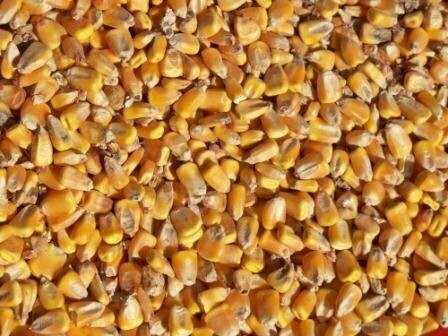
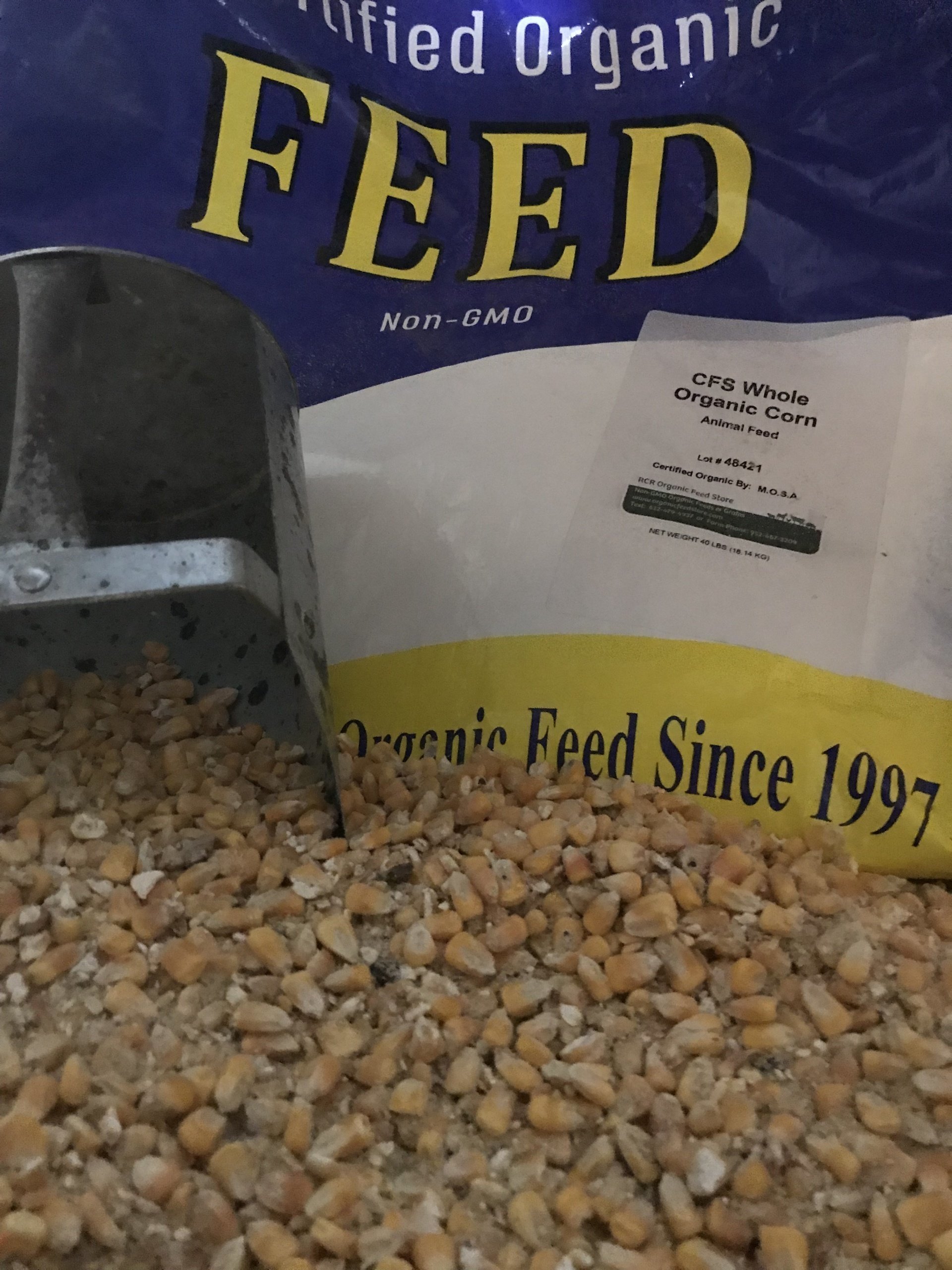
Corn Whole


Flax Seed Whole

Peas Field - Whole


Oats - Whole


Whole Wheat


Alfalfa Pellets

Kelp Meal

Corn Rolled Organic


Flax Meal


Peas Field - Rolled


Alfalfa Meal

Soy Meal Organic Non GMO

