Advice From The Barn #2 | Feed Math
Want To Mix Your Own Feed?
Start With The Math
"I want to make my own feed"
Author: Advice From The Barn | RCR Organic Feed Store
Introduction
One of the most common conversations we have starts something like this:
"I want to make my own feed."
That's usually followed by a list of ingredients: Corn, Sunflower seeds, Peas, Oats, Soybean meal
The goal is almost always the same.
- Save money.
- Improve nutrition.
- Use ingredients already available on the farm.
- Or simply understand what the animals are eating.
There is nothing wrong with any of those goals. But before mixing ingredients, it's important to understand one simple principle: Every ingredient changes the ration.
The Feed Tag Matters
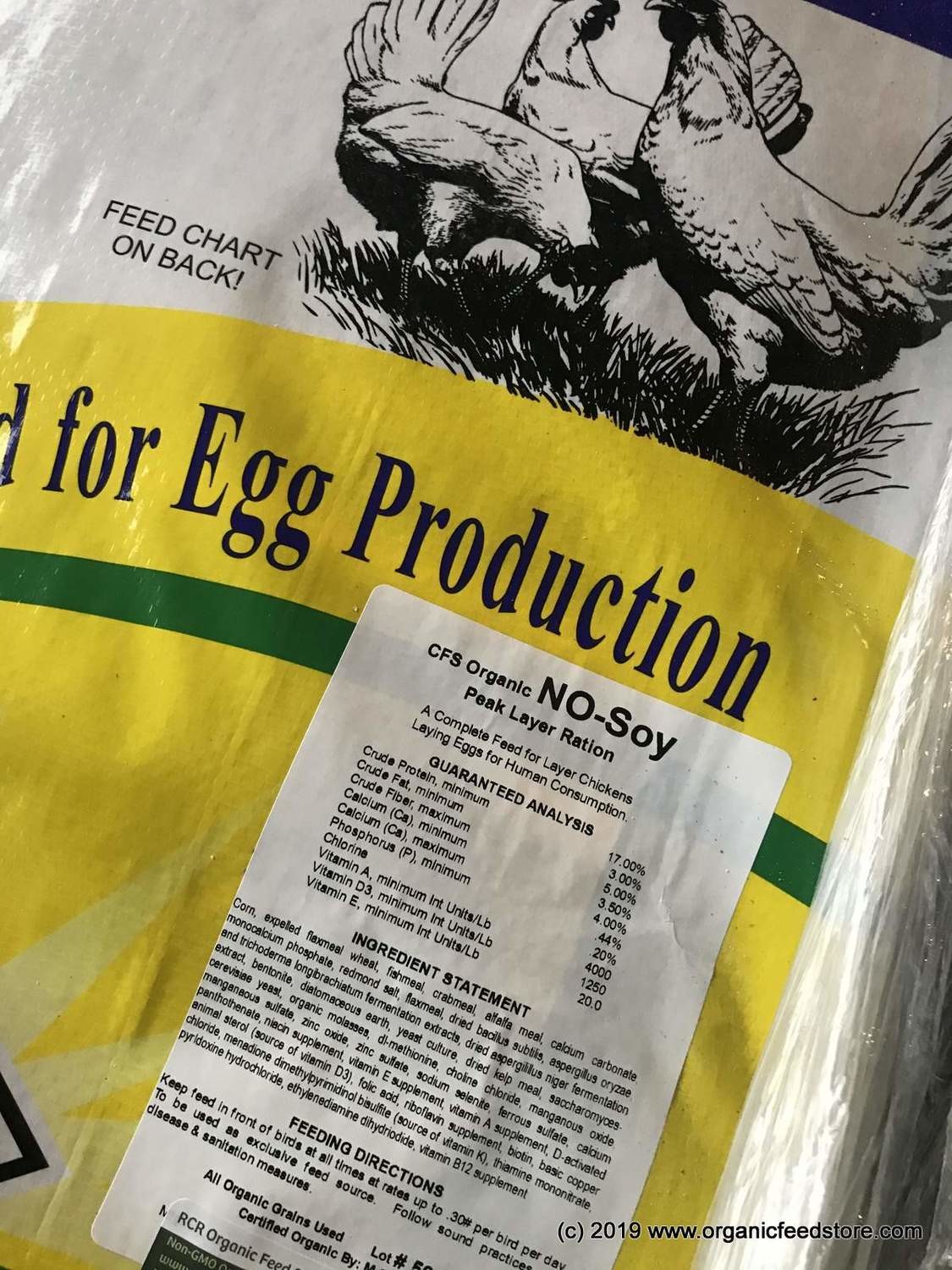
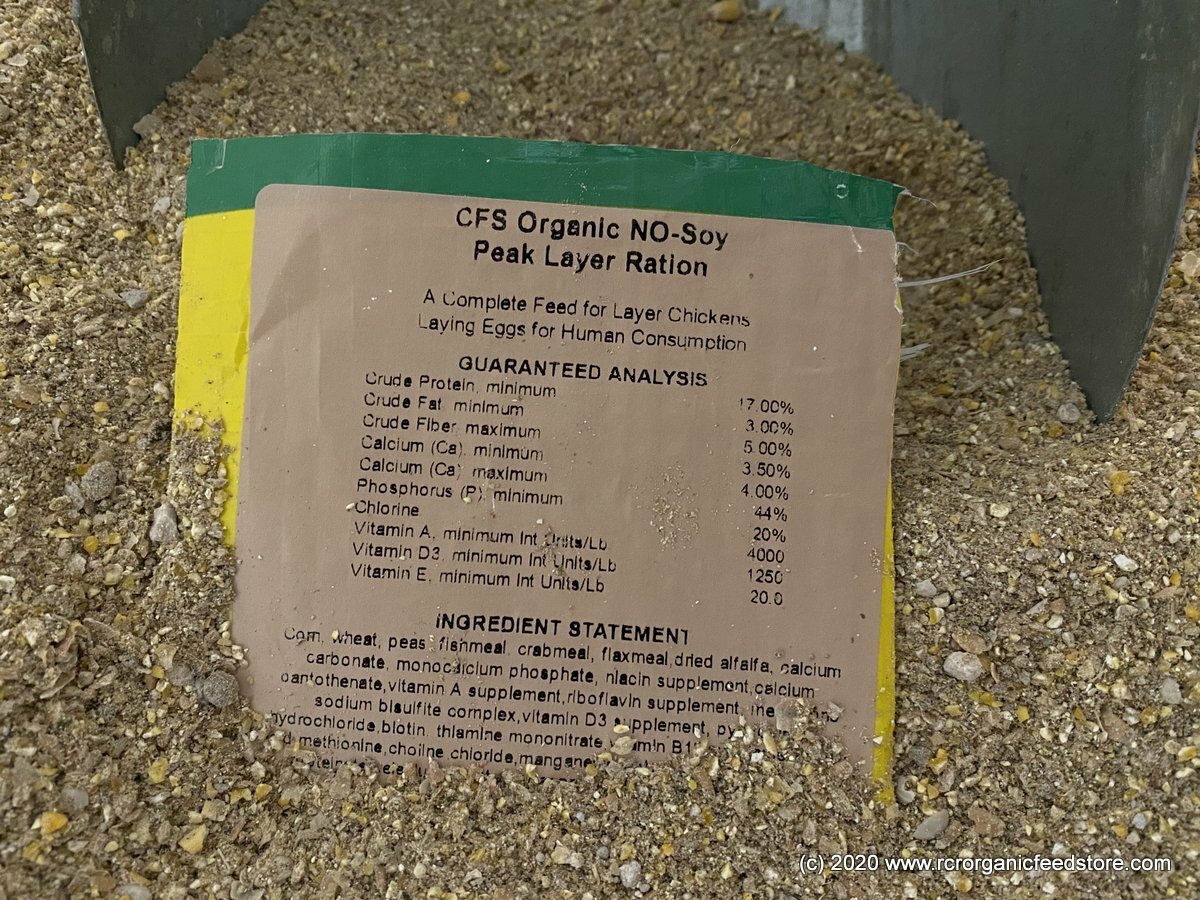
A bag of feed isn't just a bag of feed. The guaranteed analysis tells you what you're starting with. For example, a 17% layer feed contains 17% protein before anything is added. As soon as additional ingredients are mixed in, the nutritional values begin to change. Sometimes that change is intentional. Sometimes it's not.
A Real Example
Let's look at a common winter feeding situation. A customer with laying hens wants to add corn for extra winter energy. They start with:
40 pounds of 17% layer feed - Soy or Soy Free doesn't matter
Then add:
5 pounds of whole corn. Corn is an excellent energy source. But corn contains less protein than most layer feeds. As a result, the overall protein level drops. The protein didn't disappear. It was simply diluted. This is one reason we often remind customers:
Corn is fuel for the furnace. Protein is the building material.
Feed Math vs. Feed Ingredients
Many people focus on ingredients. Experienced feeders focus on nutrients. The birds don't care what the bag says. They care about what is actually in the feeder.
For example:
- Corn primarily adds energy.
- Soybean meal primarily adds protein.
- Sunflower seeds add energy and fat.
- Higher protein feeds can help offset protein dilution.
Understanding the role of each ingredient is more important than chasing the perfect recipe.
Feed Formulas Look Great On Paper
Animals sometimes have other ideas. We've seen plenty of feed formulas that looked excellent on paper.
Then the chickens picked around half the ingredients. Or left the peas in the feeder. Or sorted out the parts they liked best. A feed program only works if the animals actually eat it.
The Best Place To Start
Before changing a ration, ask yourself: What am I trying to accomplish?
- More energy?
- More protein?
- Better feather condition?
- Lower feed costs?
- Improved production?
Once you know the goal, the feed math becomes much easier.
Final Thoughts
Making your own feed can be rewarding. Understanding the math behind the feed is even more important. Start with the numbers. Understand what each ingredient contributes. Pay attention to what the animals are telling you. And remember:
The feed tag starts the conversation. The animals finish it.
About Advice From The Barn
Advice From The Barn shares practical knowledge, feeding experience, and lessons learned from more than 25 years of raising animals, helping customers, and continuing to learn.
← Return to Advice From The Barn
Soy Free Organic Layer Feed


No Soy No Corn Layer Feed 17


Organic Layer 17 Complete Pelleted Feed


Soy Free Organic Layer Feed Pelleted

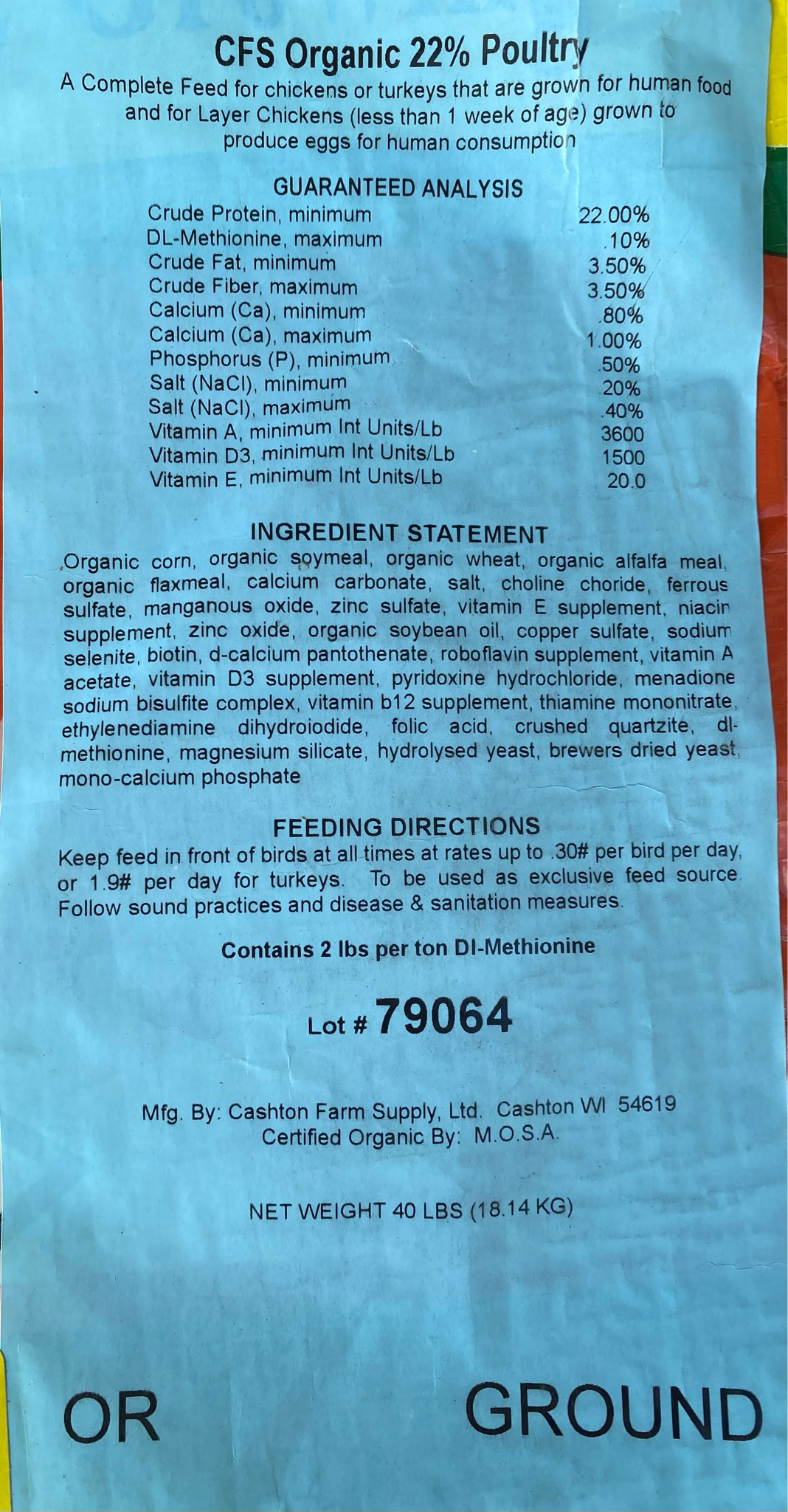
Starter 22 Pelleted
Chick Starter Complete 20 Ground
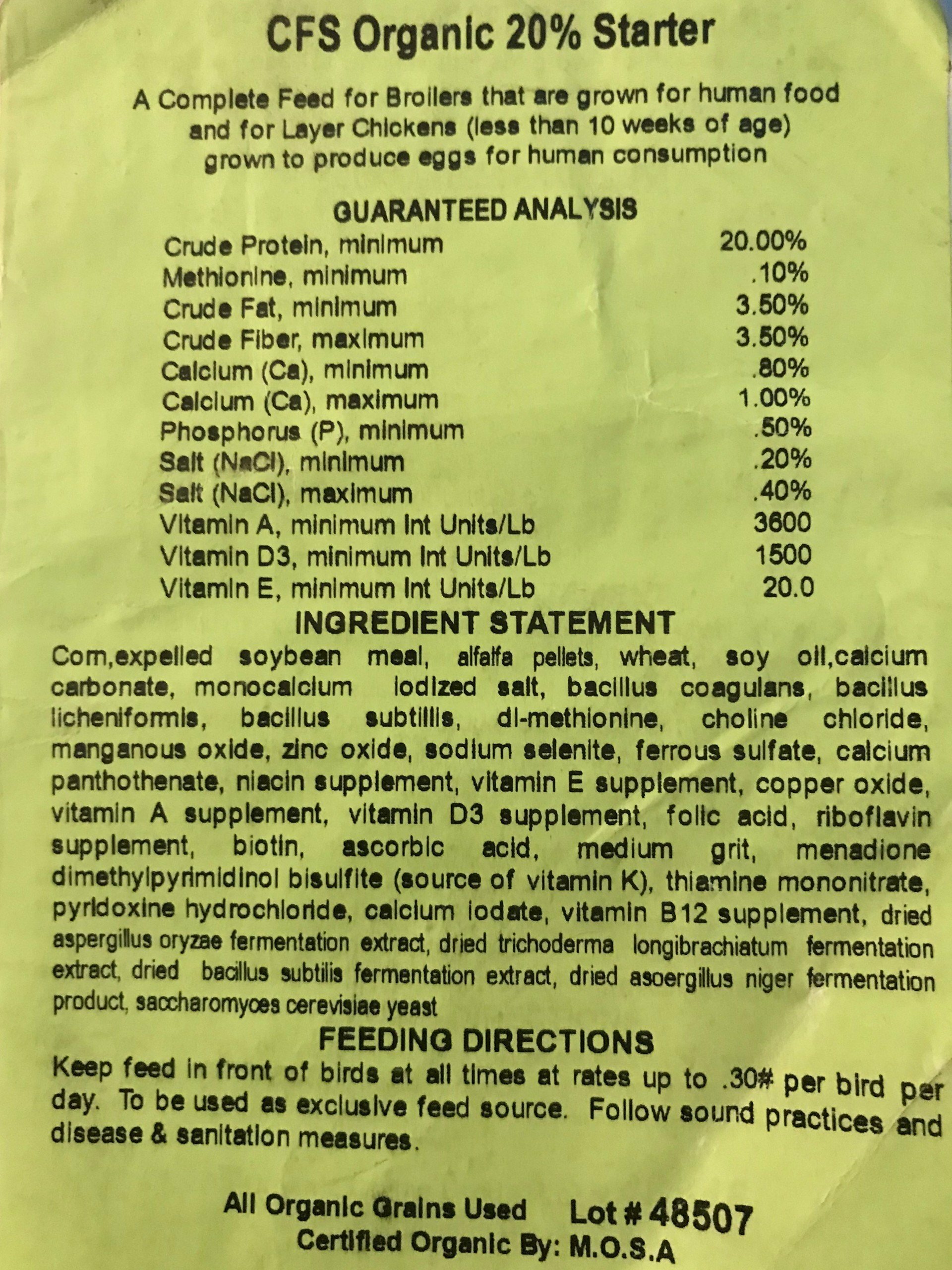
Organic Chick Starter 22% Ground Feed - Non-GMO


Poultry Grower Feed 18 Ground
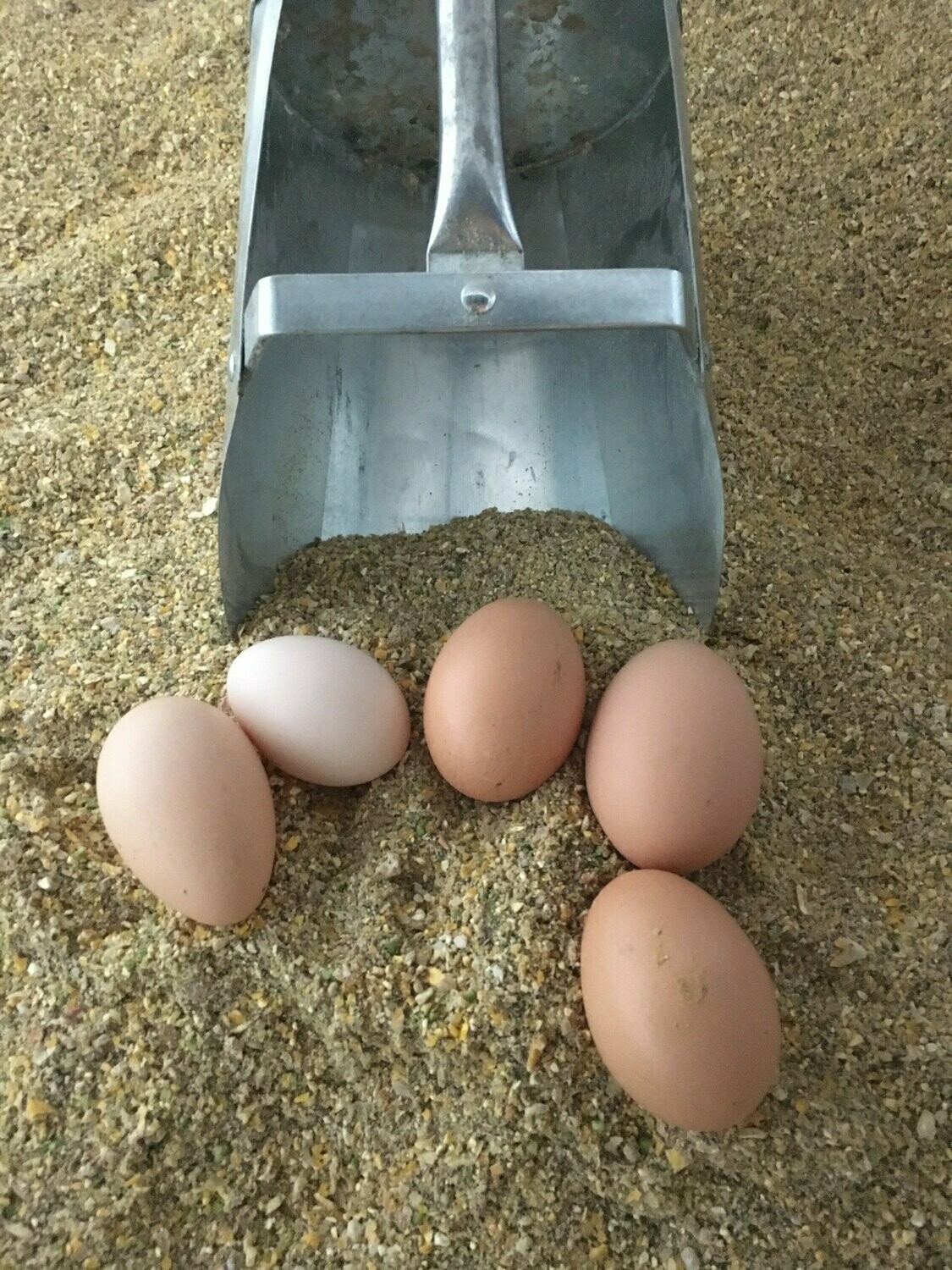
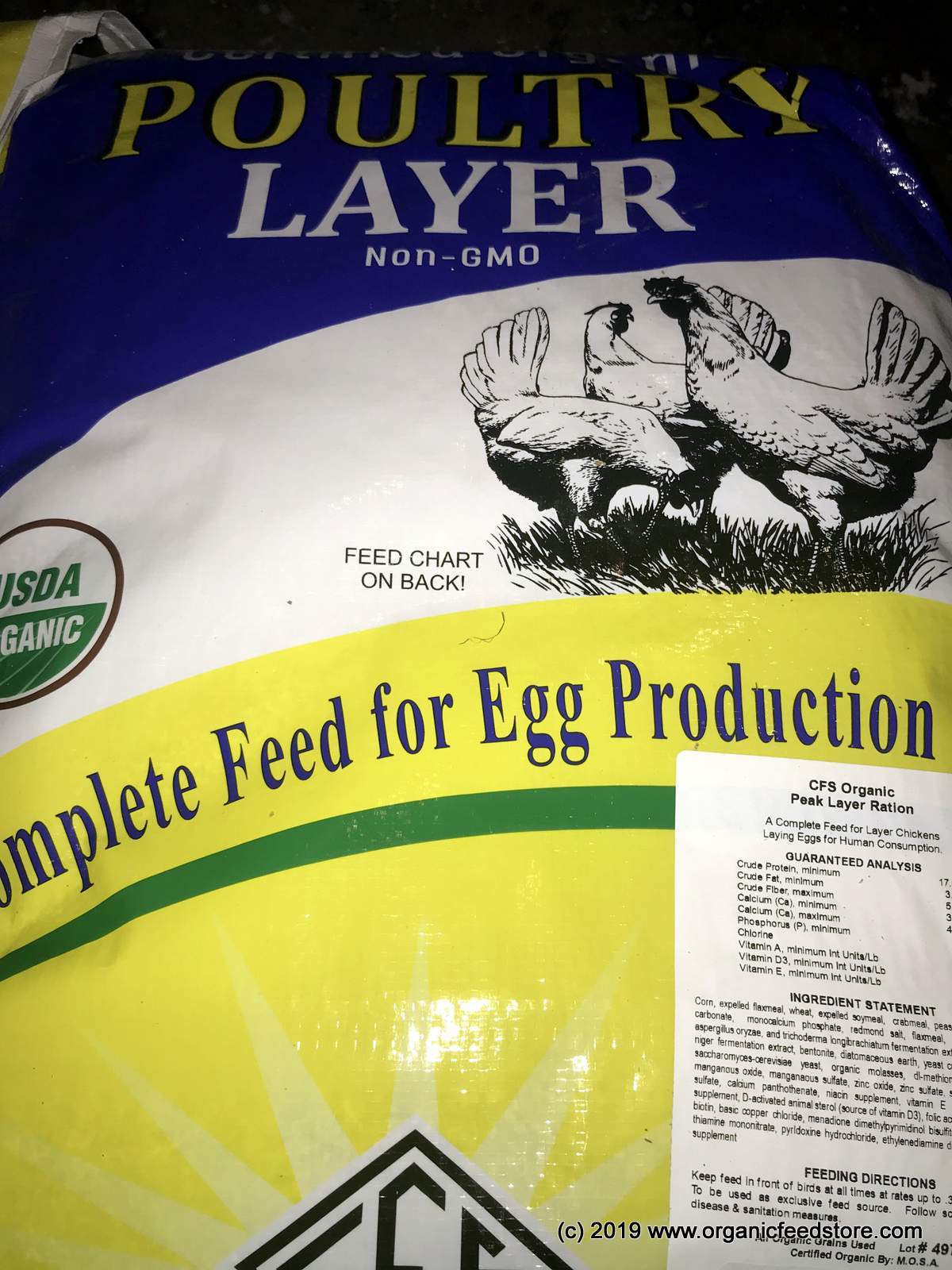
Poultry Layer 17 Complete Ground
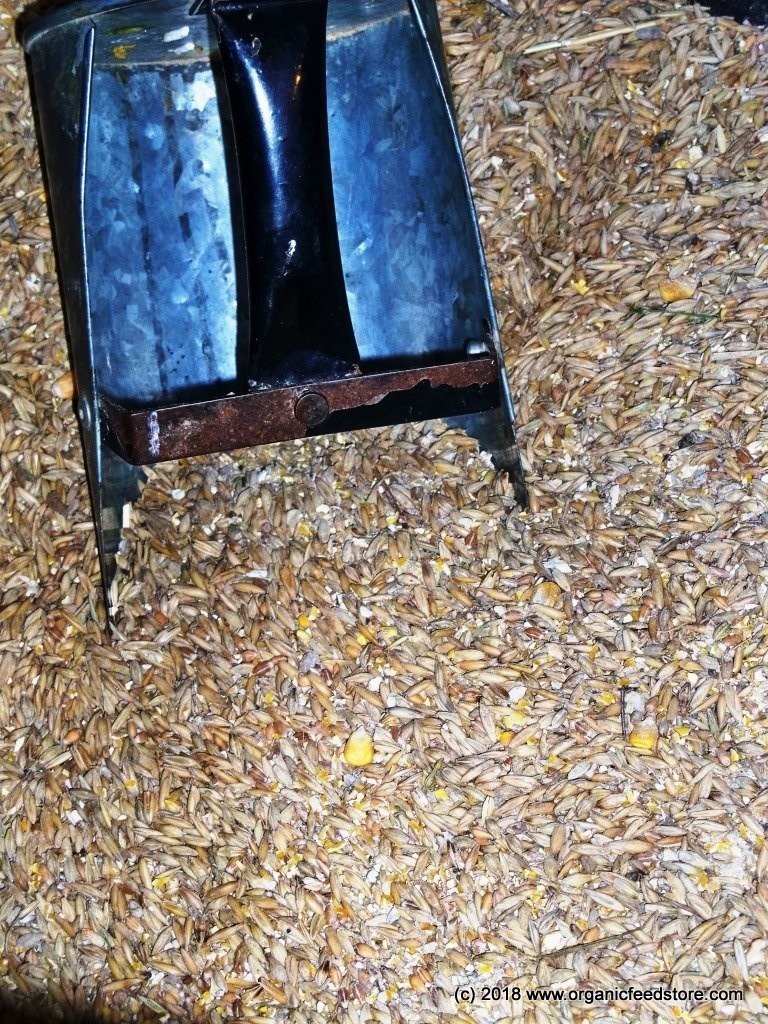
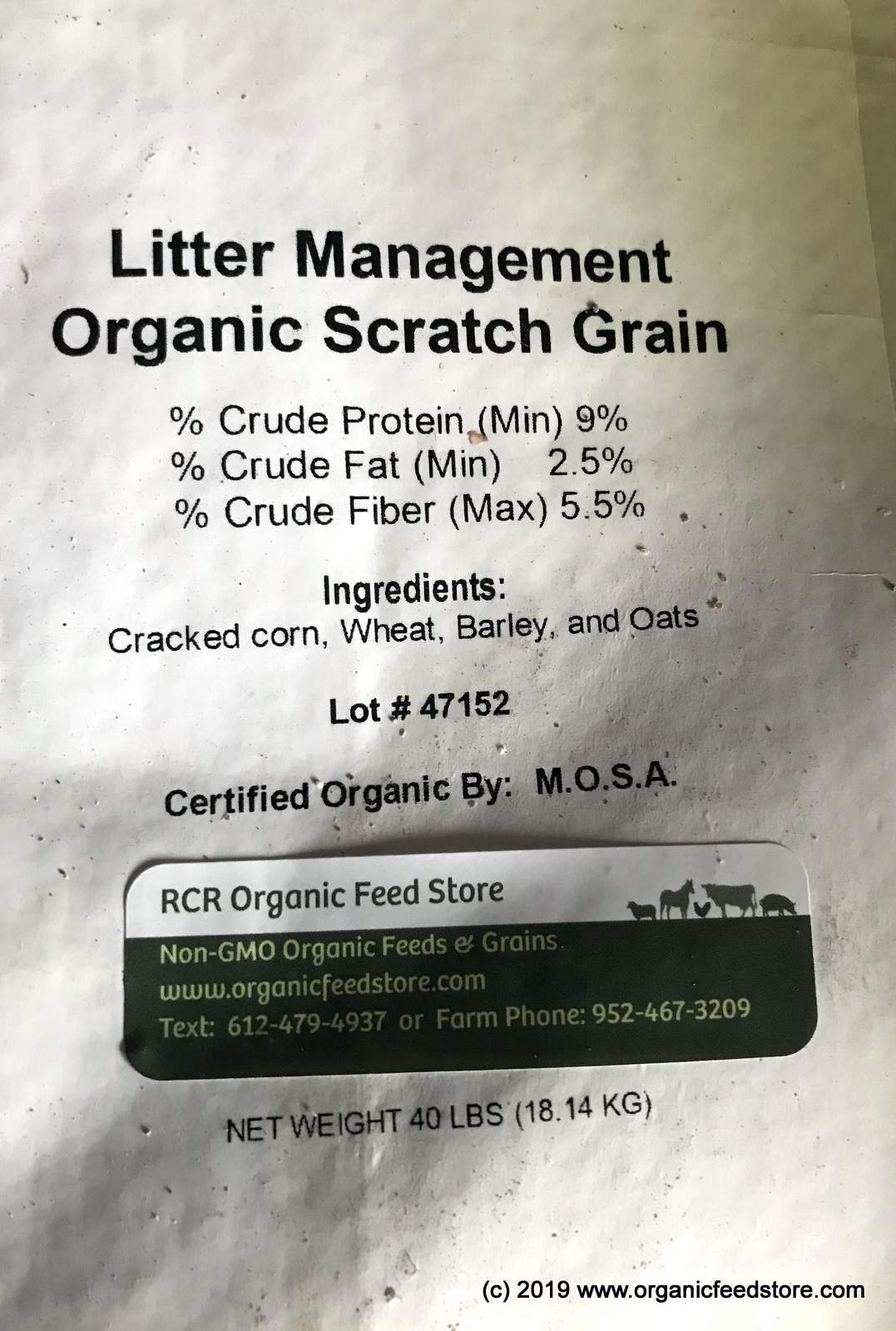
Poultry Scratch Grains


Soy Free Chick Starter 20 Ground


Soy Free Grower Feed 18% Ground


Turkey Poultry Starter 24 Pelleted
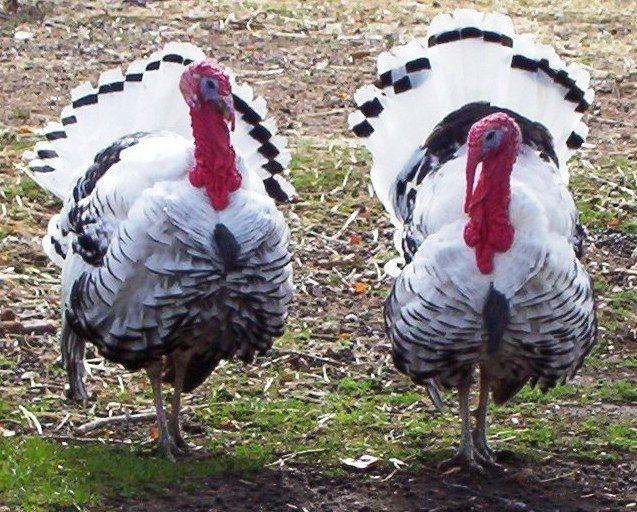
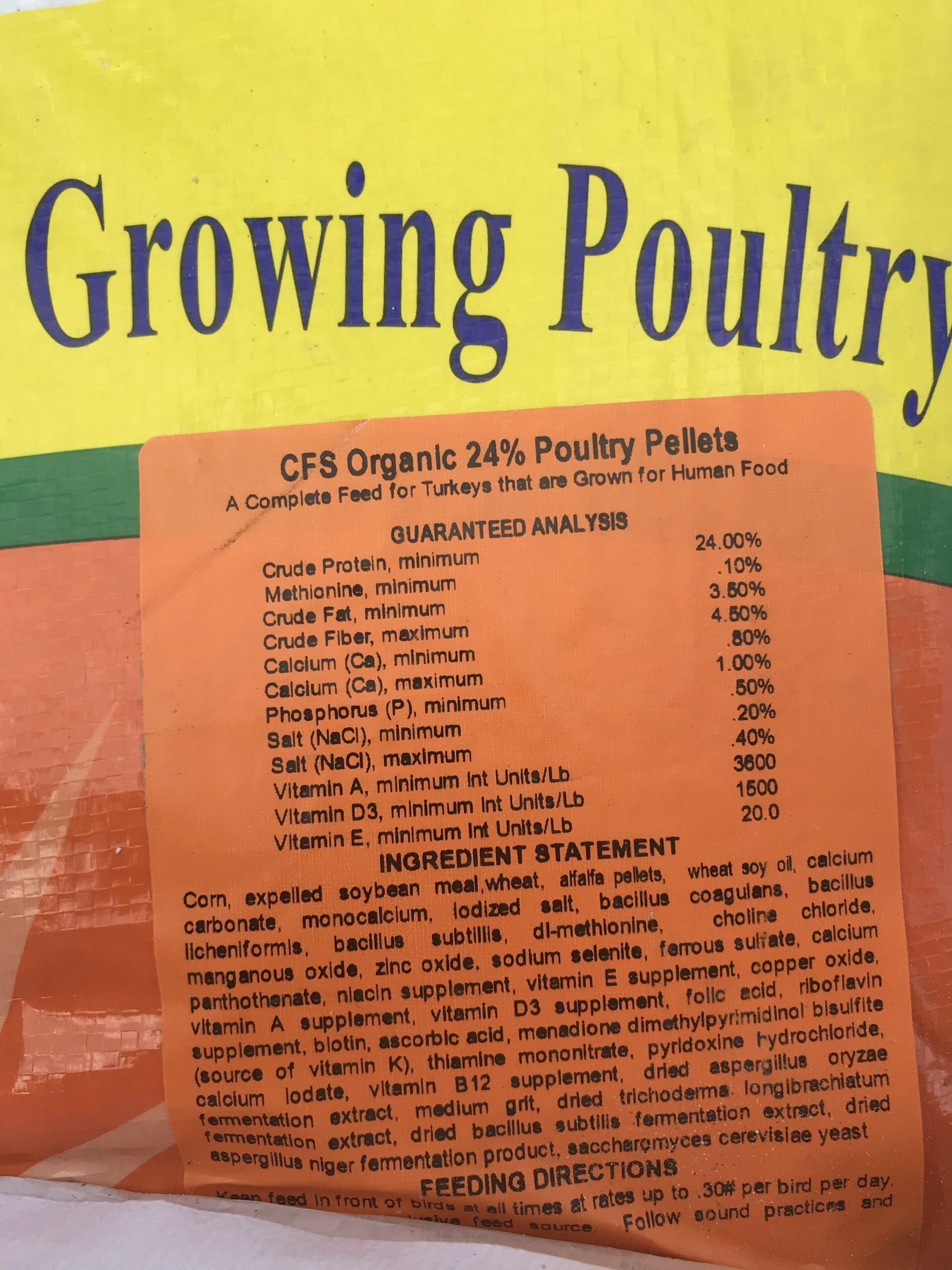
Turkey Poultry Starter 24 Ground
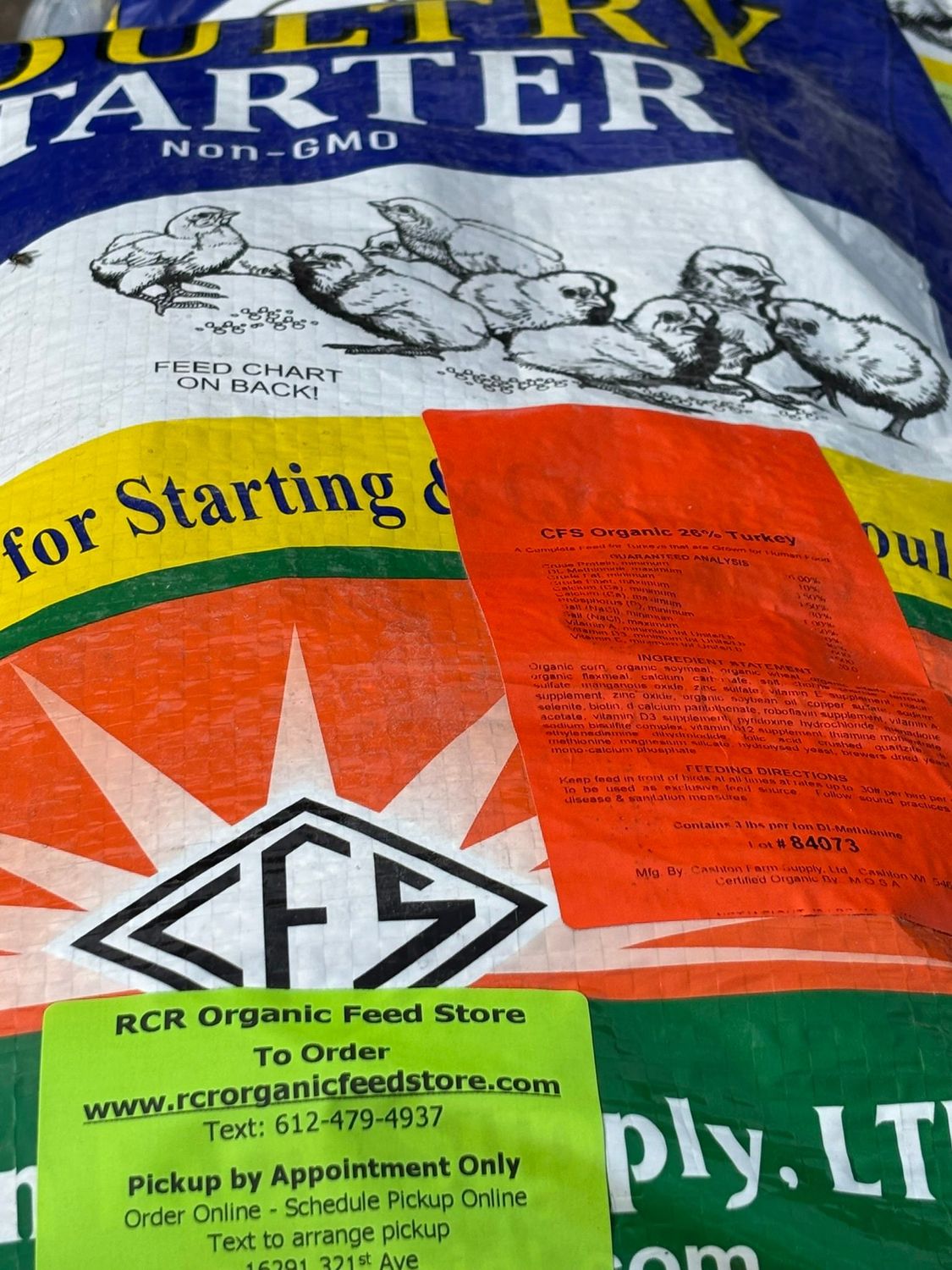
Organic Poultry Starter 26% Ground Feed - Non-GMO